
What Gauge Is Metal Roofing?
Understanding metal roofing gauge is essential for homeowners, builders, and contractors planning residential or commercial roofing projects. In the U.S., gauge indicates material thickness rather than strength, and choosing between 22-gauge, 24-gauge, 26-gauge, or 29-gauge steel affects durability, weather resistance, and long-term performance. Gauge selection is critical for standing seam metal roofing, corrugated panels, and architectural metal systems, influencing how roofs withstand hail, high winds, snow loads, and hurricane conditions.
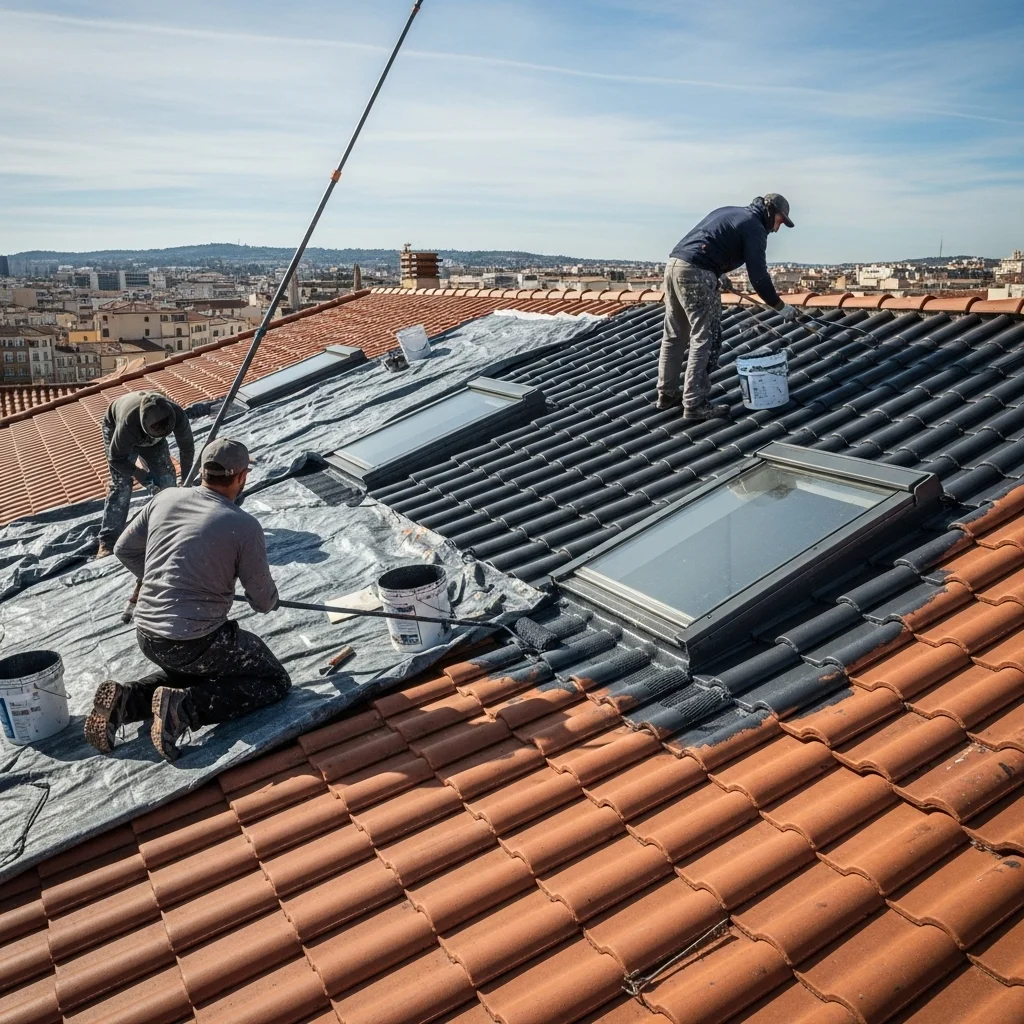
Understanding Metal Roofing Thickness and Gauge Standards
Metal roofing gauges originate from historical measurement systems such as the American Wire Gauge (AWG) and Birmingham Gauge. Lower numbers correspond to thicker metal, a convention that applies to carbon steel, galvanized steel, aluminum, and stainless steel roofing materials. These standards are widely used in industrial buildings, agricultural structures, and pole barns. Modern manufacturers, including Sheffield Metals, maintain compatibility with plywood sheathing, weather barriers, and exposed fastener systems while following traditional gauge definitions for consistency and performance.
Table of Contents
- What Gauge Is Metal Roofing?
- Understanding Metal Roofing Thickness and Gauge Standards
- How Steel Gauge Numbers Translate Into Real-World Thickness
- Common Metal Roof Gauges Used for Residential and Commercial Buildings
- Comparing Thicker and Thinner Steel Panels for Roofing Performance
- Key Factors That Determine the Ideal Steel Thickness for Your Roof
- Cost, Durability, and Weather Resistance Across Different Gauges
- Choosing the Best Steel Thickness for Long-Term Roofing Value
How Steel Gauge Numbers Translate Into Real-World Thickness
Steel gauge numbers correspond to precise thickness measurements. For example, 22-gauge steel is much thicker than 29-gauge, offering superior rigidity. Thicker gauges are ideal for standing seam systems in high-wind or commercial applications, while thinner gauges suit barns, garages, and agricultural structures. Even small differences in thickness impact oil canning, dent resistance, and compatibility with rooftop installations like solar panels or HVAC units.
Common Metal Roof Gauges Used for Residential and Commercial Buildings
The most widely used gauges are 22, 24, 26, and 29. For residential projects, 24-gauge and 26-gauge panels balance strength, flexibility, and cost-efficiency, particularly for standing seam systems finished with PVDF coatings like Kynar 500®. Commercial or architectural projects may require 22-gauge for impact resistance and Class A fire rating. Corrugated panels for barns or storage facilities typically use 29-gauge steel due to its practicality and lower cost.
Comparing Thicker and Thinner Steel Panels for Roofing Performance
Thicker panels provide enhanced performance in extreme weather, resisting oil canning and offering improved structural stability. This makes them suitable for hurricane-prone areas or regions with heavy snow loads. Thinner panels are more economical and adequate for agricultural or light industrial use. Standing seam systems benefit from thicker gauges, while exposed fastener and corrugated panels can perform well with thinner steel if installed correctly.
Key Factors That Determine the Ideal Steel Thickness for Your Roof
Selecting the right gauge depends on building type, location, and intended use. Residential projects may prioritize aesthetics and paint durability, while commercial buildings need structural integrity and code compliance. Climate, hail exposure, roof slope, and compatibility with solar panels or vinyl siding influence gauge selection. Consulting professionals like Colony Roofers or resources from Sheffield Metals ensures the correct gauge choice for long-term performance.
Cost, Durability, and Weather Resistance Across Different Gauges
Thicker gauges involve higher upfront costs but deliver superior durability, reduced maintenance, and better resistance to hail and wind. Thinner gauges are cost-effective and easier to handle, making them suitable for barns, garages, and warehouses. For residential and commercial projects prioritizing longevity, Class A fire rating, and impact resistance, thicker panels often provide better long-term value.
Choosing the Best Steel Thickness for Long-Term Roofing Value
The ideal metal roofing gauge balances performance, budget, and environmental exposure. Thicker gauges provide long-term value for premium standing seam roofs with minimal oil canning and excellent paint longevity. Thinner gauges remain effective for corrugated or exposed fastener systems when applied appropriately. Working with trusted suppliers and experienced contractors ensures access to engineered systems, reliable warranties, and professional guidance.