
How to Screw Down Metal Roofing?
Screw-down metal roofing is a widely used system for residential, commercial, and agricultural applications. This method uses exposed fastener metal panels secured directly to a prepared roof deck with specialized roofing screws. Unlike standing seam systems, where fasteners are hidden, screw-down roofing has visible fasteners, making proper installation crucial to prevent leaks and ensure long-term durability. When installed correctly, screw-down metal roofs provide excellent wind resistance, weather protection, and reliability across a wide range of climates, including areas prone to high winds or freeze-thaw cycles. Correct techniques in panel alignment, screw placement, and sealing play a key role in roof longevity and maintenance reduction.
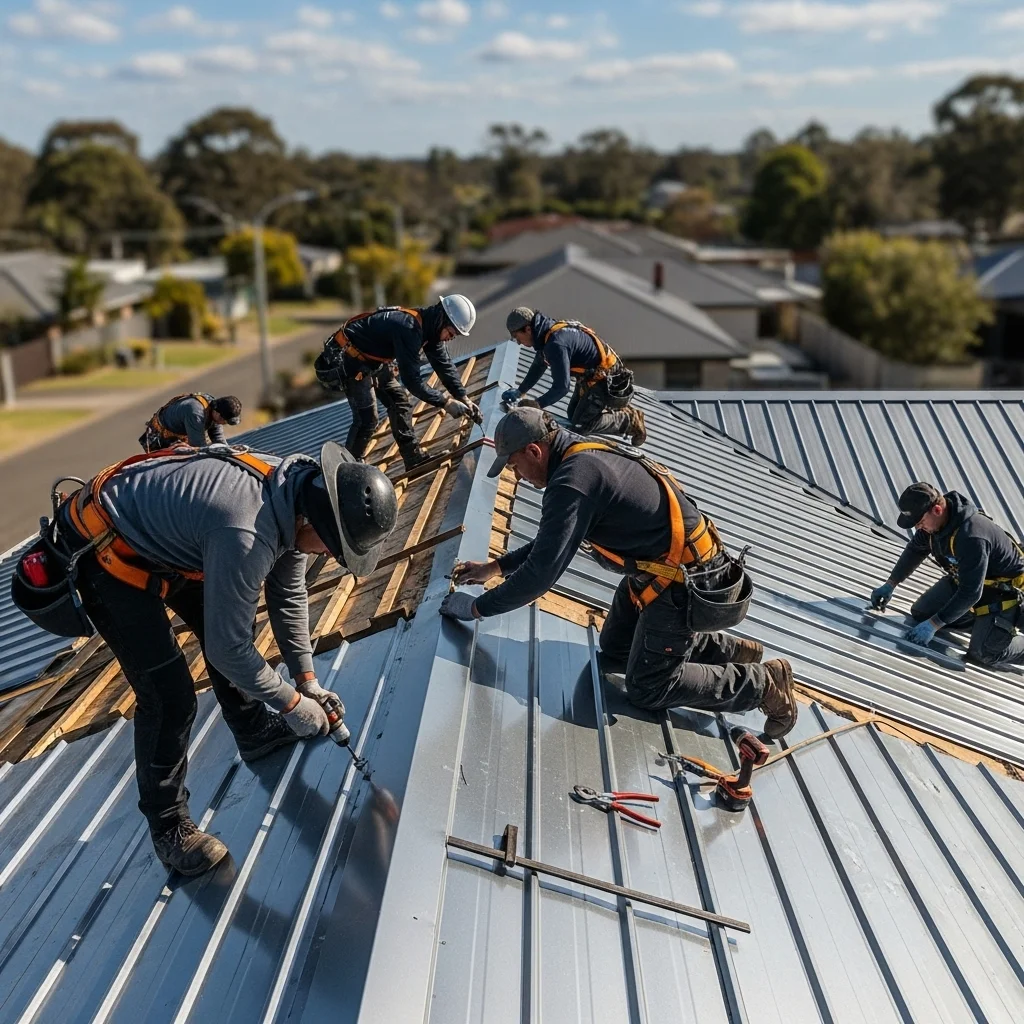
Understanding Screw-Down Metal Roofing Systems and How They Work
Screw-down metal roofing panels are fastened mechanically to plywood, wood purlins, or metal purlins. Steel, aluminum, and galvalume panels are commonly used. These systems rely on proper panel alignment, consistent fastener spacing, and allowances for thermal expansion. Panels are overlapped horizontally and vertically, with overlaps sealed using butyl or sealant tape to prevent moisture intrusion. Closure strips, such as foam or rubber strips, are installed at eaves, ridges, and valleys to block wind-driven rain and debris, further protecting the roof from leaks and ensuring structural integrity.
Table of Contents
- How to Screw Down Metal Roofing?
- Understanding Screw-Down Metal Roofing Systems and How They Work
- Tools, Screws, and Materials Needed for a Proper Metal Roof Installation
- Step-by-Step Guide to Installing Exposed Fastener Metal Roof Panels
- Correct Screw Placement, Spacing, and Tightening Techniques
- Common Installation Mistakes That Cause Leaks and Fastener Failure
- Cost Factors, Maintenance, and Long-Term Performance Considerations
- When to Choose Professional Installation Over DIY Metal Roofing
Tools, Screws, and Materials Needed for a Proper Metal Roof Installation
A durable screw-down roof installation requires the correct tools and materials. Essential tools include screw guns, impact drivers, or torque-controlled drills to achieve proper washer compression without overdriving or underdriving screws. Roofing screws may be self-drilling, self-tapping, neoprene washer screws, galvanized screws, or stainless steel screws depending on substrate and environmental conditions. Accurate panel layout requires chalk lines, tape measures, metal snips, and shears. Safety gear, including harnesses, gloves, and fall protection, is essential. Underlayment whether felt, synthetic, or peel-and-stick membranes provides an extra layer of protection beneath the panels, enhancing water resistance and overall roof performance.
Step-by-Step Guide to Installing Exposed Fastener Metal Roof Panels
Begin by preparing the roof deck, ensuring it meets sheathing requirements and is compatible with metal-to-wood or metal-to-metal fastening. Lay underlayment for moisture protection. Use chalk lines to guide panel placement and ensure straight alignment. Install panels from the eave upward, maintaining proper overlaps and sealing with butyl tape or lap screws. Install eave trim, rake trim, valley flashing, and ridge caps according to manufacturer guidelines to maintain weather resistance. Ridge venting may be added to improve ventilation and energy efficiency. Following a systematic process ensures alignment, water protection, and long-term roof performance.
Correct Screw Placement, Spacing, and Tightening Techniques
Fastener placement and spacing are critical for structural integrity and water resistance. Screws must be perpendicular to the panel surface to avoid misalignment and improper washer compression, which can cause leaks. Pre-drilling may be required for certain panels to prevent deformation. Neoprene washers must be compressed sufficiently to create a watertight seal without damaging the rubber, ensuring long-term moisture protection. Accurate screw placement contributes directly to fastener pull-out strength, panel stability, and the overall lifespan of the roof.
Common Installation Mistakes That Cause Leaks and Fastener Failure
Leaks and fastener failures often result from improper screw selection, inconsistent spacing, or ignoring metal expansion. Overdriven screws can crush washers and damage panels, while underdriven screws leave gaps that allow water penetration. Misaligned panels increase the risk of screw back-out in high-wind areas. Skipping closure strips, installing panels on incompatible slopes, or ignoring climate-specific practices accelerates corrosion, damages seals, and may void warranties. Understanding these pitfalls and following installation best practices are key to a durable, leak-free roof.
Cost Factors, Maintenance, and Long-Term Performance Considerations
Screw-down metal roofing costs vary based on material, roof complexity, and labor rates. While generally more affordable upfront than standing seam roofs, screw-down systems require periodic maintenance, including fastener re-tightening, screw replacement, and corrosion inspection. Regular inspections allow early detection of rust, sealant failure, and panel misalignment. Preventative maintenance increases roof lifespan, maintains energy efficiency, and reduces long-term repair expenses. Well-maintained roofs remain reliable in high-wind and harsh weather environments, protecting both property and investment.
When to Choose Professional Installation Over DIY Metal Roofing
DIY installation may seem cost-effective, but errors in screw placement, fastener spacing, or panel alignment often lead to premature failure and increased maintenance. Professional installation ensures code-compliance, proper ventilation, and adherence to manufacturer guidelines. Experienced contractors understand material compatibility, fastener pull-out values, and climate considerations, offering superior wind uplift resistance and long-term durability. For complex roof designs or roofs in high-exposure regions, hiring professionals provides reliability, peace of mind, and protection against costly mistakes.