
How to Overlap Metal Roofing?
Overlapping metal roofing panels is a crucial technique in achieving a weatherproof, structurally sound, and long-lasting roof. This method is used in residential, commercial, and industrial applications with a variety of metals including steel, aluminum, copper, and zinc. Proper overlap ensures that rainwater is effectively channeled off the roof, prevents water infiltration at seams, and helps the roof resist wind uplift and storm damage. Additionally, correctly overlapping panels contributes to the overall aesthetic finish of the roof, enhances roof drainage efficiency, and minimizes maintenance requirements over the roof’s service life. Following manufacturer specifications, local building codes, and best installation practices is essential for optimal roof performance.
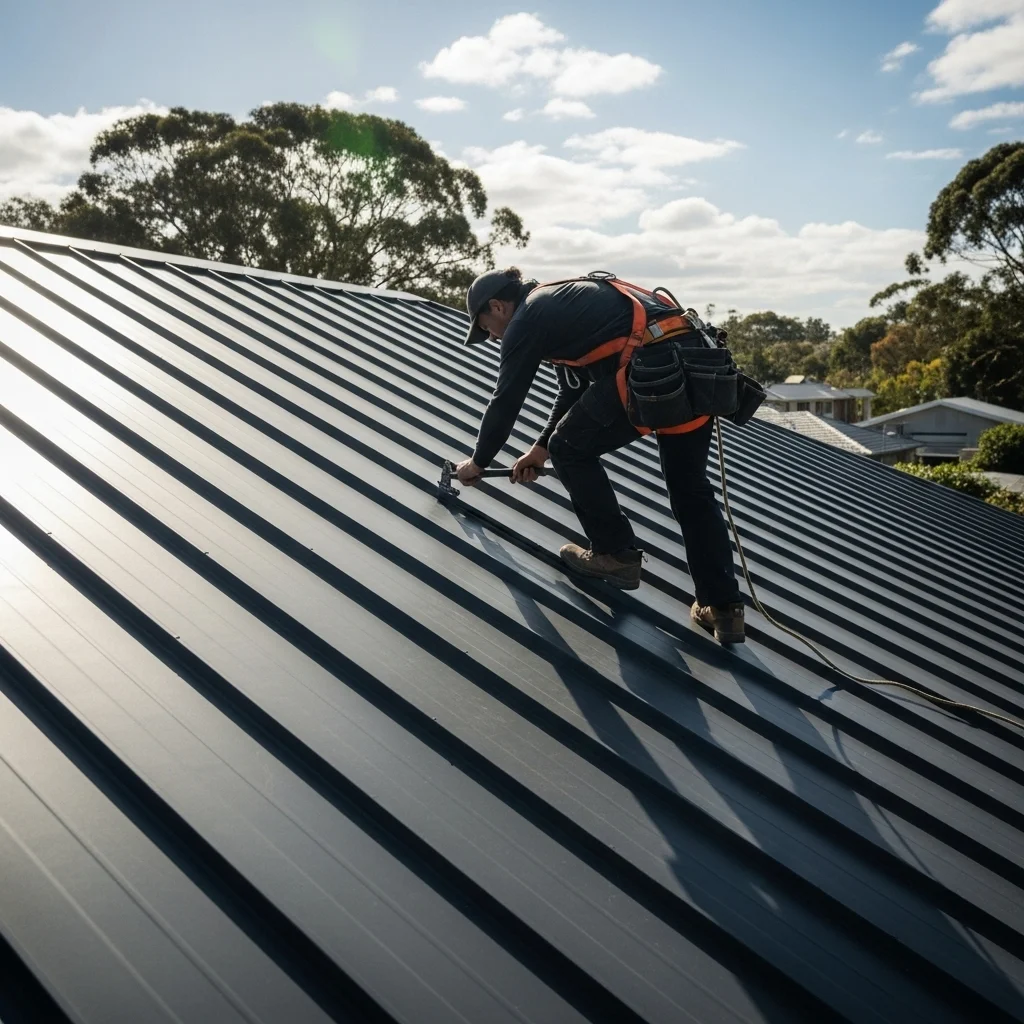
Why Proper Metal Roof Overlapping Matters for Leak Prevention and Durability
Correct overlap is essential for creating a continuous barrier against water intrusion and moisture-related damage. If panels are not properly overlapped, water can penetrate seams through capillary action, particularly during strong wind-driven rain events, leading to corrosion, rusting, and early roof repair. Properly overlapped sheets also distribute structural loads evenly across the roof, reducing stress on fasteners and preventing localized panel deformation. Advanced metal roofing systems may include energy-efficient coatings or reinforced membranes that maintain reflective properties and thermal performance, and accurate overlapping ensures these benefits remain effective over time.
Table of Contents
- How to Overlap Metal Roofing?
- Why Proper Metal Roof Overlapping Matters for Leak Prevention and Durability
- Types of Metal Roofing Panels and Their Overlap Requirements
- Recommended Side Lap and End Lap Measurements for Metal Roof Sheets
- Step-by-Step Guide to Overlapping Metal Roofing Panels Correctly
- Best Practices for Sealing, Fastening, and Aligning Overlap Joints
- Common Metal Roof Overlapping Mistakes and How to Avoid Them
- Professional vs DIY Metal Roof Overlap Installation: What to Choose
Types of Metal Roofing Panels and Their Overlap Requirements
Different panel profiles require tailored overlap methods depending on corrugation depth, rib spacing, and seam design. Corrugated and ribbed panels typically rely on rib interlocks and corrugation overlap to guide water efficiently off the roof. Box profile and tileform sheets require precise side lap alignment to maintain both water resistance and visual appeal. Standing seam and snap-lock panels, while using concealed fasteners, still require careful end lap detailing where sheet length is insufficient. Vertical cladding panels must consider gravity-driven water flow, while all panel types must accommodate thermal expansion and contraction to maintain long-term watertight integrity.
Recommended Side Lap and End Lap Measurements for Metal Roof Sheets
Side lap and end lap dimensions vary with roof slope, pitch, and environmental conditions. Low-slope roofs need longer end overlaps to prevent water accumulation, while steeper roofs can use shorter overlaps due to faster drainage. For corrugated panels, the side lap usually covers one full corrugation, ensuring a tight seal. End laps should account for prevailing wind and rainfall patterns. Longer sheets minimize the number of end laps, reducing potential leak points and increasing roof durability. Using a roof measurement calculator helps determine optimal sheet length, width, and overlap dimensions to meet professional standards and building code requirements.
Step-by-Step Guide to Overlapping Metal Roofing Panels Correctly
Begin by preparing the roof deck and ensuring proper purlin installation, whether using z-purlins, c-sections, or standard framing. Install roofing underlayment to manage condensation and provide a secondary moisture barrier. Start installation from the eaves and work upward toward the ridge, aligning panels with chalk lines to maintain straight edges and consistent spacing. Pre-drill panels as needed and secure them with appropriate screws fitted with neoprene washers to create a watertight seal. Ensure that ribs and corrugations interlock perfectly at every overlap, and finish by installing trims, ridge caps, and flashing according to manufacturer recommendations to complete the roof system.
Best Practices for Sealing, Fastening, and Aligning Overlap Joints
Sealing and fastening are critical to long-term roof performance. Apply high-quality sealants such as butyl tape, silicone, or roofing mastic consistently along all side and end laps before fastening. Fasteners should be installed with controlled torque to prevent over-tightening, which can damage washers, or under-tightening, which can compromise wind resistance. Flashing along ridges, valleys, hips, and edges enhances weatherproofing, and alignment checks during installation ensure even panel spacing, clean seams, and proper water runoff. Attention to these details reduces the risk of leaks and prolongs the roof’s lifespan.
Common Metal Roof Overlapping Mistakes and How to Avoid Them
Mistakes in overlap installation are a leading cause of leaks and premature roof failure. Common errors include insufficient side or end overlap, misaligned sheets, improper fastener placement, and ignoring manufacturer guidelines. Over-tightening screws can damage washers and panels, while under-tightening increases wind uplift risk. Neglecting sealant application or flashing installation can lead to water penetration, particularly along cut edges or roof transitions. Adhering to recommended installation procedures, using proper tools, and performing regular inspections during installation help prevent these issues.
Professional vs DIY Metal Roof Overlap Installation: What to Choose
DIY installation may be appealing for cost reasons but requires strong knowledge of roofing techniques, tool proficiency, and safety precautions when working at height. Professionals offer significant advantages, including adherence to building codes, access to specialized tools and machinery, and expertise in advanced roofing coatings and structural requirements. Hiring a professional ensures correct overlap alignment, watertight joints, and superior wind resistance. For complex roof designs or large-scale projects, professional installation maximizes longevity, minimizes maintenance, and reduces the likelihood of costly errors.