
How to Measure for Metal Roofing?
Properly measuring a roof is the cornerstone of any successful metal roofing project. Whether it’s a residential home or a large commercial structure, accurate metal roof measurements are critical to ensure the correct number of panels, minimize material waste, and maintain long-term roof performance. Measuring for metal roofing involves much more than simply taking the length and width; it requires understanding roof geometry, pitch, slopes, roof sections, drainage paths, and how metal panels will be installed in compliance with local building codes and wind uplift standards. Careful measurement at the beginning of the project saves time, money, and frustration during installation.
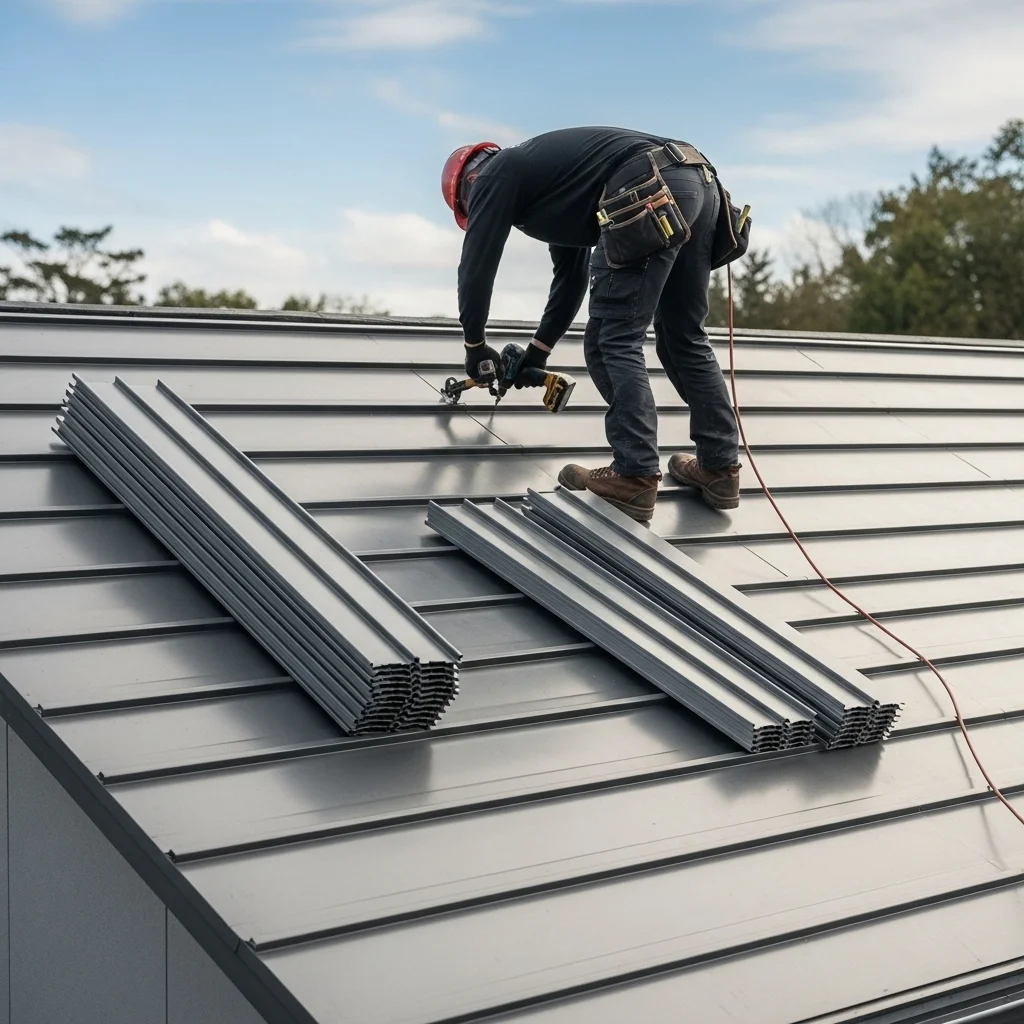
Tools, Safety Measures, and Preparation Before Measuring a Metal Roof
Before you step onto the roof, proper preparation and safety measures are essential. Accurate measurements require the right tools, including a tape measure, ladder, chalk line, level, ruler, calculator, notepad, and pencil for recording measurements. Steep slopes or high-pitch roofs make safety critical. Use fall protection systems, harnesses, and secure ladder placement to reduce risk while measuring. While drone-assisted aerial measurements or satellite tools can provide an initial overview of the roof, on-site verification is the most reliable method for precise measurements. Being fully prepared ensures both safety and measurement accuracy.
Table of Contents
- How to Measure for Metal Roofing?
- Tools, Safety Measures, and Preparation Before Measuring a Metal Roof
- Understanding Roof Geometry, Pitch, and Key Measurement Terms
- How to Measure for Metal Roofing Starting With a Roof Sketch
- Measuring Roof Length, Width, and Total Square Footage Accurately
- Measuring Hips, Valleys, Penetrations, and Complex Roof Designs
- Calculating Metal Panel Length, Width, Waste, and Material Requirements
- Verifying Measurements, Avoiding Common Errors, and Final Planning Tips
Understanding Roof Geometry, Pitch, and Key Measurement Terms
Before you calculate roof square footage or plan panel layout, it is essential to understand roof geometry. Roof pitch, expressed as a ratio of rise over run, determines the slope and directly affects how you calculate material needs with the pitch multiplier. Different roof types, such as gable, hip, valley, or dormer roofs, require different measurement approaches. Key elements such as ridge lines, hip lines, valley lines, eaves, fascia boards, and roof overhangs must be identified. These features influence water runoff, wind resistance, and structural performance. By understanding roof geometry, you can create an accurate roof plan that considers all sections and planes for precise metal roofing installation.
How to Measure for Metal Roofing Starting With a Roof Sketch
A roof sketch is a visual representation of your measurements and one of the most crucial steps in planning a metal roofing project. Start by drawing the roof to scale and label all roof planes, ridges, valleys, hips, and roof-to-wall transitions. Clearly marking each section helps in determining panel orientation, overlap, and placement of trim pieces. This sketch serves as a reference for the entire project, improving communication with contractors and ensuring accurate material estimation. A detailed roof sketch reduces errors and provides clarity when calculating material requirements for each roof section.
Measuring Roof Length, Width, and Total Square Footage Accurately
Calculating the total roof area requires measuring each roof plane along the eaves and ridges. Use the pitch multiplier to adjust for sloped surfaces, ensuring you calculate the true square footage rather than just the horizontal footprint. Include roof overhangs in your calculations because metal panels typically extend past fascia boards for proper water management. Measure each section individually, particularly on irregular or multi-plane roofs. Accurate measurements prevent material shortages, reduce waste, and ensure panels are correctly sized for efficient installation.
Measuring Hips, Valleys, Penetrations, and Complex Roof Designs
Complex roof features require special attention during measurement. Hips and valleys must be measured precisely for proper valley metal and hip cap installation. Roof penetrations like skylights, chimneys, vents, and plumbing stacks should be identified and measured separately to ensure flashing and sealants fit correctly. Dormers, roof-to-wall transitions, and other unique features may require custom trim and precise cuts. Proper measurement of these details ensures smooth installation, maximizes material efficiency, and maintains the structural integrity of the roofing system.
Calculating Metal Panel Length, Width, Waste, and Material Requirements
Once all measurements are complete, determine panel length and width based on roof dimensions and the type of metal panels being used. Different panels, such as standing seam, exposed fastener, or corrugated, have specific coverage areas and overlapping requirements, including side laps and end laps. Incorporate a waste factor to account for cuts, roof layout adjustments, and installation sequencing. Accurate material calculations ensure you order the correct number of metal panels, underlayment, fasteners, concealed clips, ridge caps, rake trims, eave trims, and valley metal without overspending or running short.
Verifying Measurements, Avoiding Common Errors, and Final Planning Tips
Verifying your roof measurements is the final step before ordering materials. On-site verification or contractor validation helps confirm all dimensions, slopes, and panel layouts. For large or complex roofs, professional roof takeoff services provide highly accurate measurements and compliance with wind uplift and building code standards. Verification reduces material waste, supports labor planning, and improves overall project efficiency. A carefully measured roof leads to proper panel installation, a durable metal roof, and long-lasting performance.