
How to Install Roll Roofing: Complete DIY Guide for Beginners
This is the main title question that your whole article answers. It tells readers right away what they're going to learn - the complete process of putting roll roofing on a building from start to finish. This question matches exactly what people type into Google when they want to learn this skill. The title promises a full guide for beginners, which means it will cover everything: what roll roofing is, what tools you need, how to prepare your roof, step-by-step instructions for putting it on, and how to take care of it after. By asking it as a question, it makes readers curious and tells them "yes, you'll find the answer here." This is the umbrella that covers all 8 sections below - each section answers one part of this bigger question.
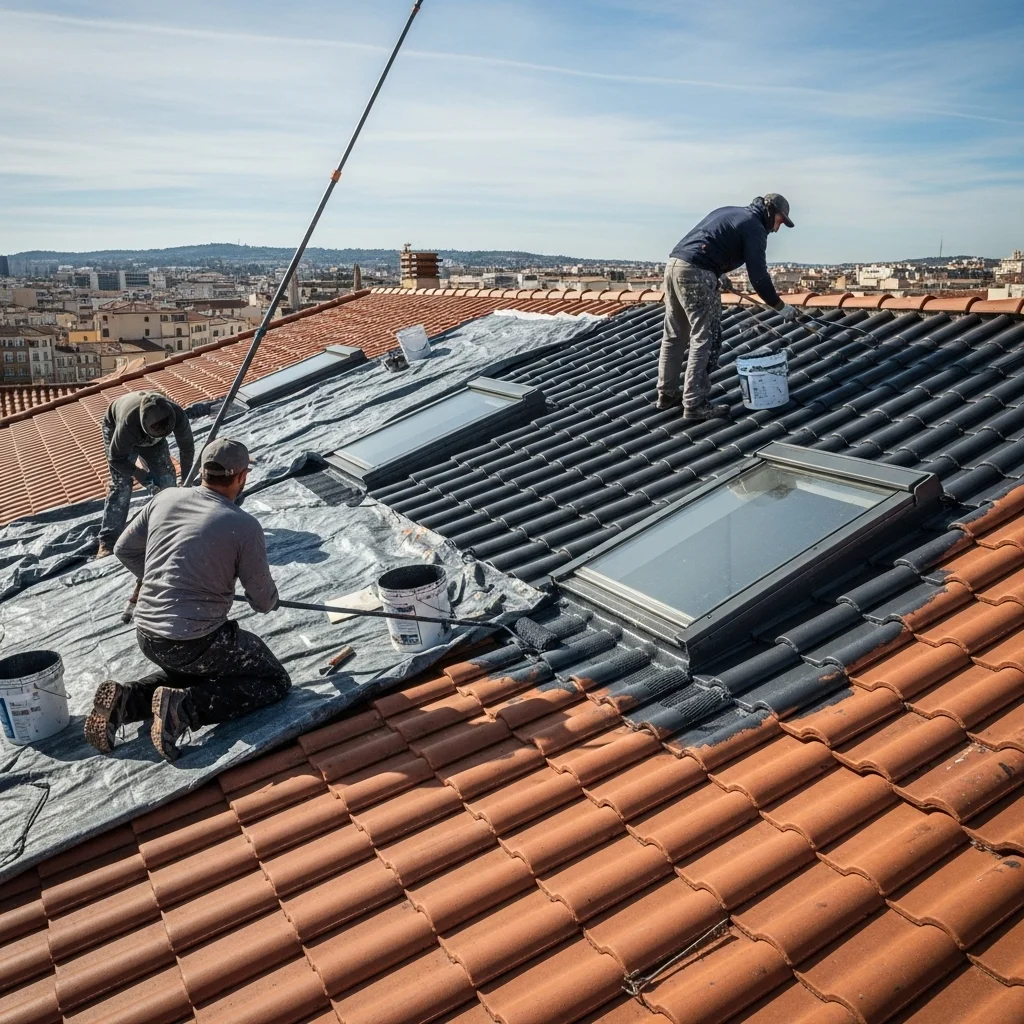
Understanding Roll Roofing: Materials, Types, and Applications
This section shows readers what roll roofing really is the affordable MSR roofing material that comes in big rolls measuring 36 inches wide by 36 feet long. It explains the three main kinds you can buy (asphalt, fiberglass, and organic felt), shows how the material works as both the base layer and the finished top, and breaks down what it's made of (soaked felt, asphalt coating, and small rock pieces on top). This part is great for beginners who need to learn the basics before they start putting it on their roof. Learn more at Roof Repair Brooklyn.
Table of Contents
- How to Install Roll Roofing?
- Understanding Roll Roofing: Materials, Types, and Applications
- Advantages and Limitations of Roll Roofing Systems
- Essential Tools and Materials for Successful Installation
- Roof Preparation: Measuring, Cleaning, and Code Compliance
- Step-by-Step Roll Roofing Installation Process
- Post-Installation Tips and Maintenance Best Practices
- DIY vs Professional Installation: Making the Right Choice
2. Advantages and Limitations of Roll Roofing Systems
This section gives readers the good and bad points so they can make smart choices. It talks about the big benefits (saves 50-70% compared to regular shingles, goes on fast, only weighs 72 pounds per roll, easy for DIY projects) while also being honest about the downsides (only lasts 5-15 years instead of 20-50 years like shingles, looks plain and simple, can get damaged easier, gets slippery when wet). This helps readers know what to expect and decide if roll roofing is right for their building project. Learn more at Roof Repairs Brooklyn.
Essential Tools and Materials for Successful Installation
This is your complete shopping list and getting-ready guide that covers everything you need: tools for cutting (box cutter knife, metal snips), tools for measuring (tape measure, chalk line with string), tools for putting it on (flat trowel for spreading cement, hammer), safety gear (work gloves, shoes that won't slip, ladder), and all the stuff you'll use (the rolls themselves, roof cement, nails, metal edge strips, metal pieces for vents). This makes sure readers have everything before they start so they don't have to stop halfway through because something is missing. Learn more at Emergency Roof Repair Brooklyn.
Roof Preparation: Measuring, Cleaning, and Code Compliance
This really important section covers all the prep work that makes your project turn out right: cleaning the surface properly and removing all the junk, treating bare wood boards with special primer paint, fixing any damaged wood boards underneath, figuring out exact measurements and adding 10% extra in case you mess up, learning about local building rules and whether you need permission papers, and checking if your roof is flat enough (works best on roofs that slope just 1-2 inches for every 12 inches across). It teaches you the smart rule: "measure two times, buy one time." Learn more at Roof Chimney Repair Brooklyn.
Step-by-Step Roll Roofing Installation Process
This is the main part of the article detailed instructions in 8 steps that walk readers through everything: putting on the metal edge strips first, laying down the first roll with straight lines, nailing it down every 10 inches, spreading roof cement that's about as thick as two credit cards stacked together, overlapping the next rolls (showing 32 inches of each roll with 4 inches covered by the next one), sealing around pipes and vents that stick through the roof, finishing the top edge properly, and cutting off any extra hanging over the sides. It also shows both ways to attach it: with nails or with a torch that melts it on. Learn more at Patch Roof Leak Brooklyn.
Post-Installation Tips and Maintenance Best Practices
This part teaches readers how to protect what they just built after the work is done: waiting 24-48 hours for the cement to get hard and dry, looking over everything carefully to find any spots you missed, setting up a schedule to check it every season (cleaning off leaves and branches, looking for rips or bubbles), understanding how weather affects it, and staying safe when you walk on the roof (it gets really slippery when it's wet). It explains that taking good care of it can help it last closer to 15 years instead of just 5 years. Learn more at Roof Water Damage Repair Brooklyn.
DIY vs Professional Installation: Making the Right Choice
This section helps readers think honestly about whether they should do the work themselves or pay someone who does this for a living. It explains when doing it yourself makes sense (small sheds smaller than 500 square feet, buildings that are only one story tall, when you don't have much money to spend), when you should hire experts (roofs that are steep, buildings that are two or more stories high, complicated roof shapes, your main house), thinking about safety (working up high is dangerous), looking at costs (doing it yourself saves 60% on worker costs but takes your time and you need to buy or rent tools), and the good things about hiring pros (they have licenses, insurance, guarantees, and know all the building rules). Learn more at Roof Flashing Repair Brooklyn.