
How to Install Metal Roofing Over Shingles?
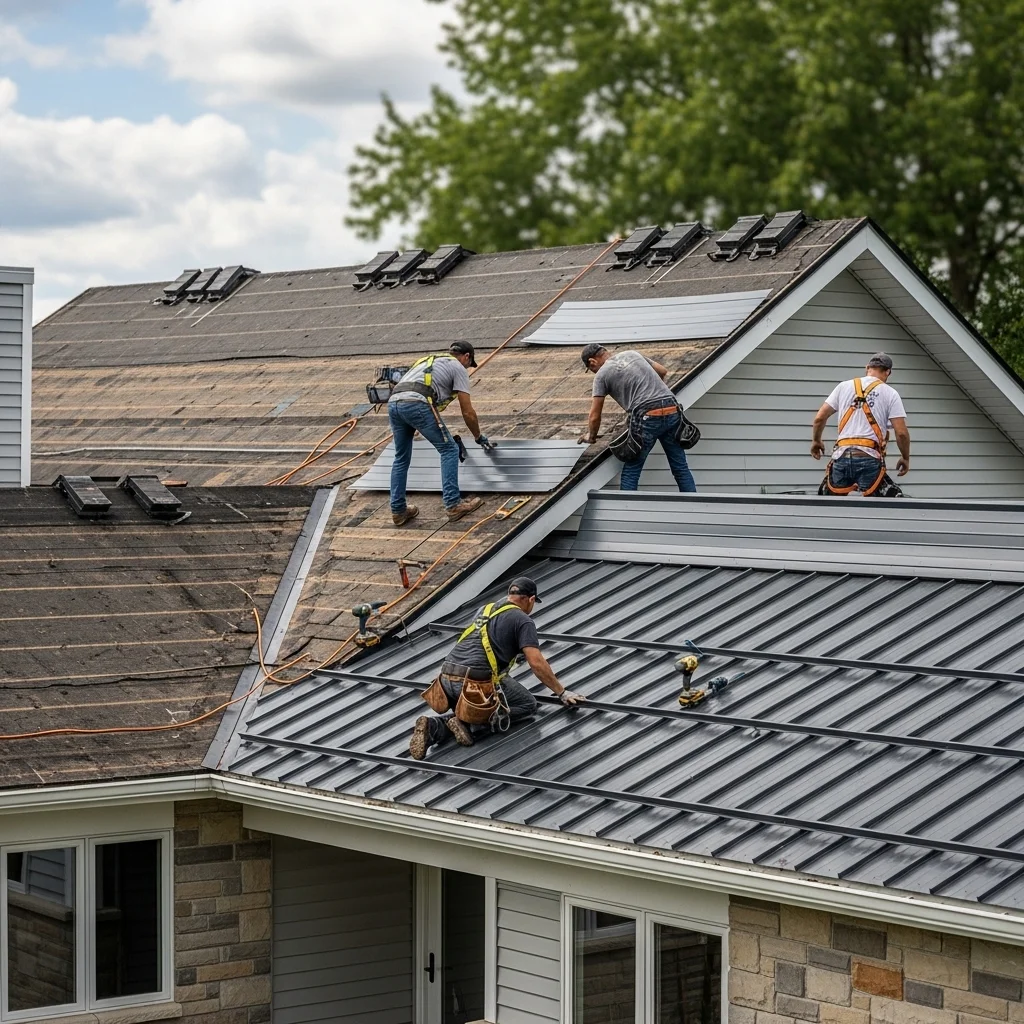
Installing metal roofing over shingles means putting a new metal roof right on top of your old shingle roof without removing it. First, you check the roof to make sure the shingles and the roof structure are in good shape and can hold the extra weight. Next, you lay down an underlayment, which is a protective layer that keeps water from leaking through. If needed, you add furring strips or wood purlins to make the roof surface even and allow air to flow underneath. Then, you measure and cut the metal panels to fit the roof’s size and shape. After that, the panels are placed and secured with screws and washers, making sure they overlap to prevent leaks. Flashing is added around chimneys, vents, and edges to protect from water damage. Finally, ridge caps are installed at the top, and the roof is checked to make sure it is strong, straight, and ready to last for decades.
Why Installing Metal Roofing Over Existing Shingles Is a Smart Choice
Installing metal roofing over existing shingles is a very practical and cost-saving way to upgrade a roof for both homes and commercial buildings. Recover and retrofit options help avoid a full roof tear-off, which saves labor and reduces roofing waste disposal. Metal roofing is extremely durable and protects against strong wind, heavy rain, hail, and snow. With a lifespan of 40-70 years, metal roofs increase roof longevity while keeping a stylish and attractive look. Standing seam panels, corrugated metal sheets, and other styles and colors give homeowners and business owners many choices to match their building’s appearance. Using recycled roofing material provides eco-friendly roofing options that reduce landfill waste. Metal roofs also help save energy because they reflect solar heat, which lowers cooling bills and improves indoor comfort. This method is practical, sustainable, and adds long-term value to any property.
Table of Contents
- How to Install Metal Roofing Over Shingles?
- Why Installing Metal Roofing Over Existing Shingles Is a Smart Choice
- Key Benefits of Installing Metal Roofing Over Shingles
- Preparing Your Roof Before Metal Panel Installation
- Step-by-Step Guide to Installing Metal Roofing Over Shingles
- Metal Panel Attachment Methods and Techniques
- Professional Roofing Services and Expert Guidance
- Environmental and Cost Advantages of Metal Roof Overlays
Key Benefits of Installing Metal Roofing Over Shingles
Metal roof overlays offer many benefits. First, the installation avoids removing existing shingles, which reduces structural disruption and labor costs. The old shingles act as an extra layer of insulation, helping control indoor temperatures and making heating and cooling more efficient. Metal roofing panels can be attached directly to the shingles, or to furring strips, lathing strips, wood purlins, or sub-girts on the wood deck. Above Sheathing Ventilation (ASV) allows air to flow between the metal panels and the existing roof, stopping moisture buildup and helping the roof last longer. Symmetrical and asymmetrical standing seam panels give design flexibility and improve the look of the roof while reducing maintenance requirements. Metal roofs also save energy, resist extreme weather, and last a long time, making them a top choice for residential, commercial, and industrial roofing projects.
Preparing Your Roof Before Metal Panel Installation
Proper preparation is very important for installing a metal roof over shingles. Start by inspecting the existing shingles and the roof framing system. Check carefully for cracked shingles, rot damage, soft spots, and water damage, especially around roof valleys, vents, and chimney areas. Make sure the roof deck and trusses can safely support the extra weight of a metal roof. Check local building codes for limits on roofing layers before proceeding. Gather all necessary materials, including metal roofing panels, underlayment such as #30 felt or synthetic underlayment, furring strips, plywood sheathing, roofing screws with rubber washers, and roofing tape. Prepare the essential tools, including cordless drills, metal snips, tape measures, ladders, safety harnesses, non-slip shoes, gloves, chalk lines, and circular saws with metal-cutting blades. Having the right materials and tools ready ensures a smooth, safe, and efficient installation.
Step-by-Step Guide to Installing Metal Roofing Over Shingles
First, put a moisture-resistant underlayment over the existing shingles. This stops leaks, adds insulation, and smooths out small bumps on the roof. Next, install furring strips, wood purlins, or plywood sheathing to make the roof flat. This helps the metal panels sit evenly and prevents them from bending. Measure and cut the metal panels carefully using a power saw or electric shears, making sure the edges are clean. Secure the panels with screws and washers, keeping in mind the wind direction and panel overlaps. Follow the panel installation order carefully, and include above sheathing ventilation to let air flow under the roof. This keeps the roof dry and helps it last longer. Doing all these steps correctly makes your metal roof strong, neat, and long-lasting.
Metal Panel Attachment Methods and Techniques
Metal panels can be attached directly into existing shingles, furring strips, lathing strips, or wood deck attachment systems such as wood purlins and sub-girts. The choice of attachment depends on the roof’s existing condition, deck type, and shingle alignment. Standing seam system installation requires precise clip placement and panel alignment to ensure uniformity and long-term durability. Roof panel airflow management, above sheathing ventilation (ASV), and symmetry considerations are essential to prevent condensation and maintain energy efficiency. Using proper clip designs and securing panels to the framing system ensures the roof can handle heavy rain, snow, and high wind conditions. For commercial or industrial roofing, careful planning of panel replacement strategies simplifies future repairs and enhances long-term maintenance efficiency.
Professional Roofing Services and Expert Guidance
Engaging professional roofing services ensures a precise, high-quality installation. Experienced contractors plan roofing projects carefully, manage material handling efficiently, and ensure panel alignment, ventilation management, and proper fastening throughout the roof installation. Expert installation minimizes future maintenance needs and improves roof durability, energy efficiency, and aesthetic appeal. Professionals also provide guidance on metal roof overlay options, eco-friendly materials, and high-performance systems suitable for residential, commercial, or industrial roofing projects. Working with a certified metal roof contractor network ensures reliable results, reduces installation errors, and maximizes the lifespan of your roofing investment, offering peace of mind and a polished, long-lasting roof finish.
Environmental and Cost Advantages of Metal Roof Overlays
Metal roof overlays save money and help the environment. Putting a metal roof over existing shingles reduces waste, stops old shingles from going to landfills, and avoids a full roof tear-off. Many metal panels are made of recycled material, which is better for the planet. Metal roofs reflect sunlight, which helps keep homes cool and lowers energy bills. Using proper ventilation keeps energy efficiency high and protects the roof. Recover and retrofit projects save time and money for homes, offices, and factories. This method also works well for historic buildings, makes repairs easier, and keeps roofs strong and sustainable for many years.