
Can You Lay Metal Roofing Over Shingles?
Yes, metal roofing can be installed directly over existing shingles, and this method is becoming very popular. Many homeowners choose this option because it reduces labor time and lowers disposal costs since the old asphalt shingles do not need to be torn off. Before starting, the roof must be inspected for soft spots, water damage, or structural problems, and the framing should be strong enough to support the metal roofing system. Proper preparation is important, which may include adding underlayment, battens, or a vented air space to protect the roof deck and improve performance. Several metal roofing options work well over shingles, including standing seam metal panels, metal shingles, stone-coated steel roofing, and metal tiles. These systems provide strong weather protection and a clean, updated appearance. Compared to asphalt shingles that often last 12 to 20 years, metal roofs can last 40 to 70 years with proper installation and basic maintenance. This makes metal roofing a long-term, durable, and attractive upgrade for many homes.
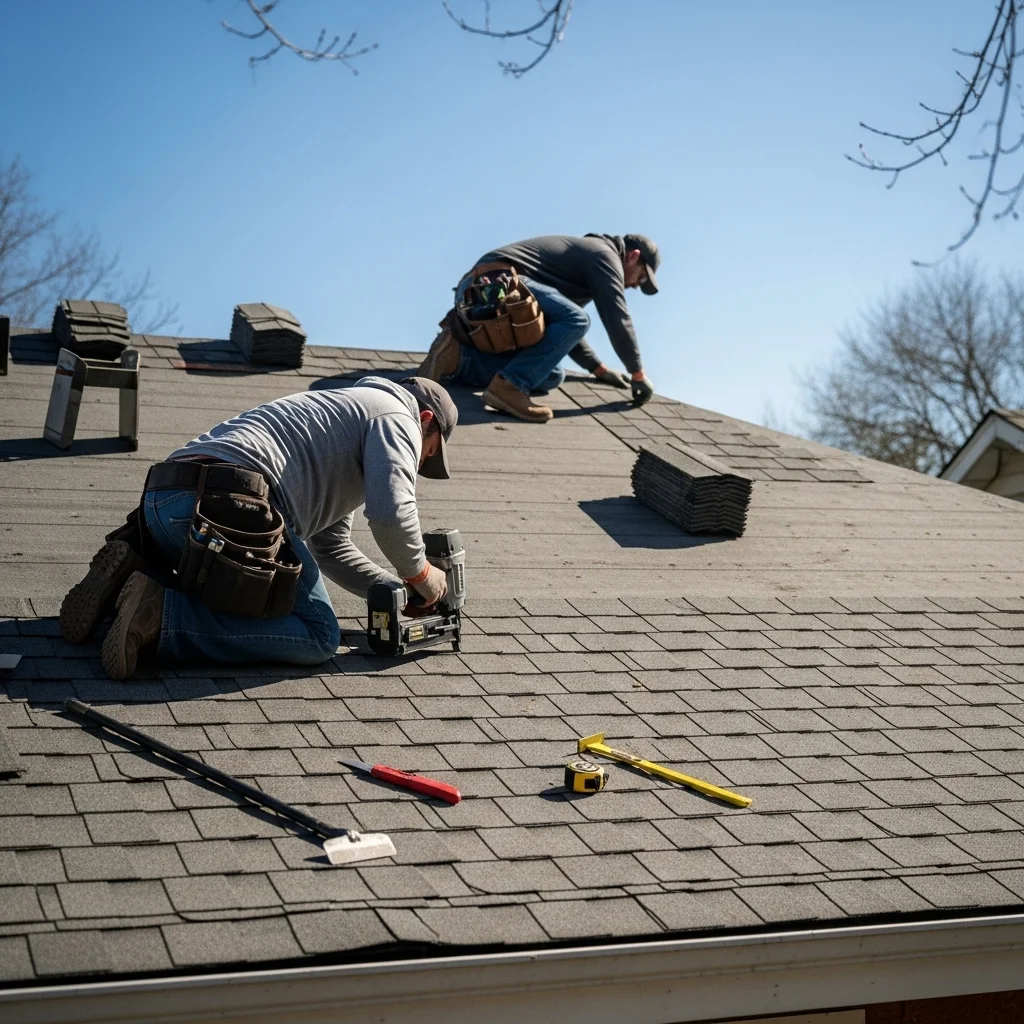
Benefits of Installing Metal Roofing Over Existing Shingles
Installing metal roofing over existing shingles offers several clear advantages for homeowners. One major benefit is cost savings, since there is no need to remove and dispose of old shingles, which lowers labor and cleanup expenses. This installation method is also faster, helping reduce overall project time. Metal roofing systems such as standing seam panels, corrugated metal sheets, and metal shingle roofing are built for strength and can handle harsh weather conditions. They resist fire, insects, hail, heavy rain, snow, and strong winds better than many traditional roofing materials. Metal roofs also improve energy efficiency by reflecting sunlight and reducing heat buildup inside the home, which can help lower air conditioning costs. They pair well with solar panel systems, making them a smart choice for energy-conscious homeowners. Many metal roofing products are made from recycled materials and can be fully recycled at the end of their lifespan, helping reduce landfill waste. In addition, metal roofing offers a clean, modern look with a wide range of colors and styles, including metal tile and metal shake designs, to match different home styles.
Table of Contents
- Can You Lay Metal Roofing Over Shingles?
- Benefits of Installing Metal Roofing Over Existing Shingles
- Understanding Roof-Over: When and Why It’s Possible
- Step-by-Step Preparation for a Metal Roof Over Shingles
- Methods for Installing Metal Roofing Over Shingles
- Pros and Cons of Roof-Over Metal Roofing
- Maintenance Tips for Metal Roofs Installed Over Shingles
- Common Mistakes to Avoid When Installing Metal Over Shingles
Understanding Roof-Over: When and Why It’s Possible
A roof-over means installing a metal roofing system directly over existing asphalt shingles. This option can work well when local building codes allow it and the home’s structure is strong enough to support the added roofing material. Before moving forward, the existing shingles should be checked carefully to make sure they are lying flat, with no curling, cracking, or missing sections. The roof deck underneath may also need inspection and minor repairs to fix any signs of leaks, rot, or weak areas that could affect long-term performance. Modern roof-over systems, such as shingle recover systems with above sheathing ventilation (ASV), are often used to improve airflow beneath the metal panels. This airflow helps control moisture, reduce heat buildup, and lower the risk of mold or condensation problems. A roof-over is a smart choice when the existing roof is still in solid condition and the goal is to save time and money. However, if the roof is very old or has serious damage, a complete replacement may be the better solution. Learn more at Pitched Roof Extension Brooklyn.
Step-by-Step Preparation for a Metal Roof Over Shingles
Proper preparation is the key to a successful metal roof installed over existing shingles. Start by inspecting the old shingles to make sure they are flat and secure, with no curling edges, cracks, or missing areas. Any damaged sections should be repaired or replaced before moving forward. Next, clean the roof surface by removing dirt, leaves, moss, and other debris that could interfere with installation. It is also important to confirm that the roof framing and deck are strong enough to support the added weight of metal panels. Once the roof is ready, gather all required materials and tools. Common underlayment options include #30 felt, synthetic underlayment, or thin foil-faced insulation for added protection. Tools typically include metal snips, a circular saw with a metal-cutting blade, roofing screws with rubber washers, a staple gun, tape measure, roofing tape, sealant or caulking, a ladder, safety harness, and proper protective gear. Always check local building codes and choose a roof-over system, such as furring strips or direct attachment, that meets both code requirements and performance needs. Careful preparation helps ensure a smoother installation and a longer-lasting metal roof.
Methods for Installing Metal Roofing Over Shingles
There are multiple approved methods for installing metal roofing over existing shingles, and the best choice depends on the roof’s condition and design. One common approach is installing furring strips, also known as wood purlins, lathing strips, or sub-girts, over the shingles. These strips create a smooth, level surface for the metal panels and allow air to move underneath the roof, which helps manage heat and moisture. This method is often used when the existing shingles are uneven or when added ventilation is desired. Another option is direct attachment, where metal panels are fastened through the shingles and into the roof deck, as long as the deck is solid and in good condition. Shingle recover systems are also available and are designed to add above sheathing ventilation (ASV), helping keep moisture away from the roof structure. Regardless of the installation method, accurate measurements are critical, and panels must be cut to the correct size and properly overlapped to create a watertight seal. Screws should be placed correctly, usually through the panel ridges, and flashing must be installed around chimneys, vents, skylights, roof edges, and valleys. Ridge caps are then added to complete the roof and provide a clean, finished look.
Pros and Cons of Roof-Over Metal Roofing
Roof-over metal roofing offers several strong benefits for homeowners. One of the biggest advantages is that it is quicker and more affordable than tearing off old shingles, which helps reduce labor and disposal costs. Metal roofing is known for its strength and durability, standing up well to high winds, hail, heavy snow, and fire. It also lasts much longer than asphalt shingles, improves energy efficiency by reflecting heat, and works well with solar panel systems. Many homeowners also like the clean, modern appearance that metal roofing provides. However, there are a few drawbacks to consider before choosing this option. If the existing shingles are uneven, their shape may show through the metal panels over time. Proper ventilation is very important to prevent moisture buildup, condensation, and mold issues under the roof. Metal roofing can also be louder during heavy rain or hail, although proper insulation can reduce this noise. Some panel styles are easier to repair than others, especially when they are installed in uniform, symmetrical patterns. Learn more at Pitched Roof Brooklyn.
Maintenance Tips for Metal Roofs Installed Over Shingles
Metal roofs installed over existing shingles are generally low maintenance, but routine inspections help protect their long-term performance. It is important to check the roof regularly for loose or missing screws, shifted panels, or damaged flashing around roof openings. Removing leaves, branches, and other debris keeps water from pooling and reduces unnecessary stress on the roofing system. Proper ventilation should also be maintained to help prevent moisture buildup, mold growth, and ice dams in colder weather. Minor issues should be addressed early to avoid larger problems later. Scratches or small areas of surface damage should be repaired promptly to prevent rust or corrosion. Gutters and downspouts should be cleaned so rainwater can flow away from the roof and foundation without backing up. Roof systems with symmetrical panels are usually easier to repair, making maintenance simpler over time. Regularly checking ridge caps, flashing details, and clip-based fastening systems will help ensure the metal roof stays strong and lasts for decades.
Common Mistakes to Avoid When Installing Metal Over Shingles
Installing metal roofing over existing shingles can be a great solution, but certain mistakes can reduce the roof’s lifespan and performance. One common error is failing to inspect and repair the old roof deck before installation, which can lead to panel failure or structural issues. Skipping essential steps like installing proper underlayment, furring strips, or above sheathing ventilation (ASV) can result in moisture buildup, mold growth, or ice dam problems over time. Other frequent mistakes include cutting panels incorrectly or overlapping them improperly, which can cause leaks, and not securing panels through the ridges, reducing wind resistance. Flashing and ridge caps also need careful installation around chimneys, vents, skylights, and roof edges to prevent water infiltration. Additionally, installation should only be done under suitable weather conditions, and all local building codes regarding roof layers and attachment methods must be followed. Learn more at Flat Roof Extension Brooklyn.