
How to Put on Metal Roofing?
If you’re wondering, “how much does metal roofing cost?” the answer isn’t fixed it varies depending on materials, installation methods, and roof design. In 2025, the price per square foot for a metal roof can differ significantly based on the type of metal used, including Steel (Galvalume or Galvanized), Painted Steel, Aluminum, Copper, Zinc, or Tin. Painted Steel and Galvanized Steel remain popular choices for their balance of affordability, durability, and aesthetic appeal. Premium options like Copper, Zinc, and high-end paint finishes, such as SMP or PVDF coatings, come at a higher price but offer superior weather resistance, extended lifespan, and low maintenance. Ultimately, your final cost will reflect the size and complexity of the roof, roof geometry, and the type of metal roofing chosen, whether it’s a standing seam system, corrugated panels, metal shingles, metal tiles, or metal slate panels.
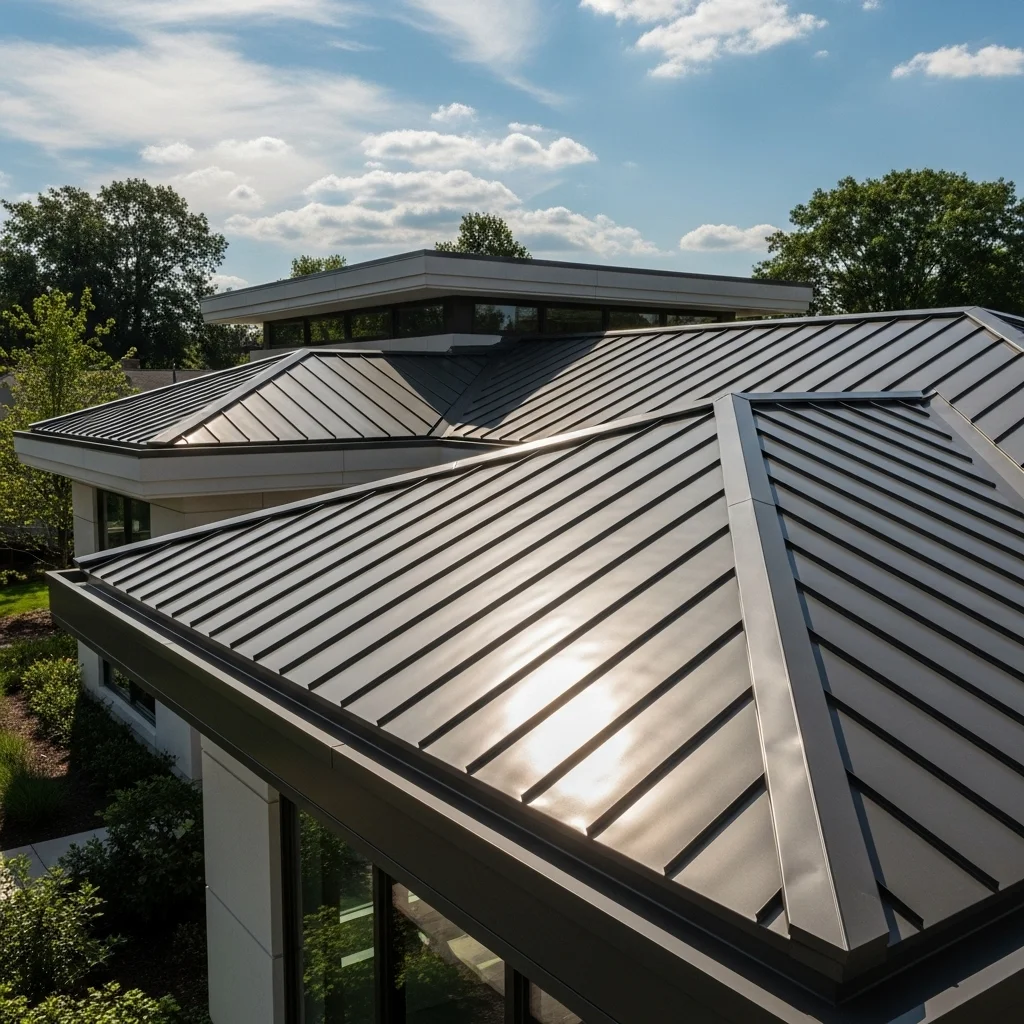
Understanding the Average Cost of Metal Roofing in 2025
On average, a metal roof in 2025 can cost between $7 and $15 per square foot for common steel options. Aluminum, Copper, and Zinc panels typically cost $20 per square foot or more. Thicker gauge panels, such as 24, 22, or 20 gauge, increase durability and resistance to dents but also raise the material cost. Installation costs depend on roof layout, size, and shape, as well as architectural elements like eaves, dormers, valleys, and steep slopes. Choosing a synthetic underlayment instead of traditional felt can further increase costs, but it also enhances durability and protection from weather, which affects the overall investment.
Table of Contents
- How Much Is Metal Roofing?
- Understanding the Average Cost of Metal Roofing in 2025
- Key Factors That Affect Metal Roof Pricing
- Comparing Metal Roofing Costs to Asphalt Shingles and Other Materials
- Material Types, Styles, and Their Impact on Cost
- Labor, Installation, and Regional Price Variations
- Additional Expenses: Underlayment, Accessories, and Trim
- Long-Term Value: Energy Efficiency, Durability, and Maintenance Savings
Key Factors That Affect Metal Roof Pricing
Several elements influence the overall cost of a metal roof. Roof complexity, including multiple dormers, valleys, or steep slopes, can make installation more challenging and increase labor expenses. Roof size and material volume often create economies of scale, with larger roofs sometimes benefiting from lower per-square-foot pricing. Contractor experience, regional wage rates, and roof deck conditions can further impact cost. Additional considerations include whether the project involves removing an old roof, the type of underlayment used, the paint system, thermal expansion allowances, and the choice between exposed fastener panels versus concealed fastener systems such as standing seam panels.
Comparing Metal Roofing Costs to Asphalt Shingles and Other Materials
When compared to traditional roofing options like asphalt shingles, wood shakes, slate, or tile, metal roofs usually come with a higher upfront cost. Asphalt shingles typically range from $3 to $6 per square foot, whereas metal shingles, metal tiles, and metal slate panels range from $7 to $20 per square foot. Metal roofs offer long-term benefits such as improved heat reflection, lower cooling costs, storm resistance, self-healing properties, and fire resistance. Over a 30–50 year lifespan, these advantages make metal roofing a financially smart investment.
Material Types, Styles, and Their Impact on Cost
The type of metal chosen heavily influences overall cost. Steel (Galvalume or Galvanized) is cost-effective, while Painted Steel and specialized coatings like SMP and PVDF enhance both appearance and durability. Aluminum is lightweight and corrosion-resistant. Copper and Zinc develop a natural patina and have exceptional longevity. Tin provides a classic look. The roof style also affects pricing: standing seam panels, corrugated metal roofs, metal shingles, metal tiles, or metal slate panels all differ in installation complexity, trim needs, and labor requirements. Thicker gauges, such as 22 or 20 gauge, are more resilient in extreme weather but come at a premium.
Labor, Installation, and Regional Price Variations
Labor costs depend on roof complexity, installation techniques, and local market conditions. Skilled contractors may charge more, particularly for intricate roof shapes with gables, eaves, dormers, and valleys. Regional wage differences influence installation costs per square foot, while roof deck condition and tear-off requirements can further increase labor expenses. Installation timelines are affected by roof size, contractor availability, weather conditions, and the type of panels installed, with steep slopes or concealed fastener systems requiring more expertise and time.
Additional Expenses: Underlayment, Accessories, and Trim
Beyond metal panels, other components add to the total cost. These include underlayment, ridge caps, eave trim, gable trim, flashing, and snow guards. Synthetic or felt underlayment provides a weather-resistant foundation for the metal roof. Trim and accessories improve durability, fire resistance, and overall performance, and are typically priced per linear foot depending on material type. Proper installation of these elements ensures the roof performs optimally over time.
Long-Term Value: Energy Efficiency, Durability, and Maintenance Savings
Investing in a metal roof provides long-term benefits through energy efficiency, durability, and reduced maintenance. Metal panels reflect sunlight, lowering cooling costs and overall energy use. Materials like Steel, Aluminum, Copper, and Zinc offer excellent longevity with minimal denting, warping, or decay. Painted panels with SMP or PVDF coatings resist fading, cracking, and corrosion. Metal roofs are recyclable, sustainable, and provide storm and fire resistance, requiring significantly less upkeep than asphalt, wood, or slate roofing. Over decades, this translates to substantial cost savings and a strong return on investment.