
What Is TPO Roofing?
TPO roofing, short for thermoplastic polyolefin, is a single-ply roofing system made for flat and low-slope roofs. It is known for its white, energy-reflective surface that helps reflect heat away from a building, which can lower indoor temperatures and reduce cooling costs during warm months. Thanks to its strength, flexibility, and simple installation method, TPO is often used on roof dormers, garages, patio covers, and other small or secondary roof areas. The material is lightweight, making it easier for roofing crews to move, install, and secure properly. TPO roofing is valued for its long lifespan and its ability to resist UV exposure, heat, and weather-related wear. Many property owners also like TPO because it is considered an eco-friendly roofing option and gives the roof a clean, bright look. Although TPO roofs do not need much upkeep, light cleaning may be required from time to time, especially when dirt, leaves, or debris build up and the roof is visible from upper windows.
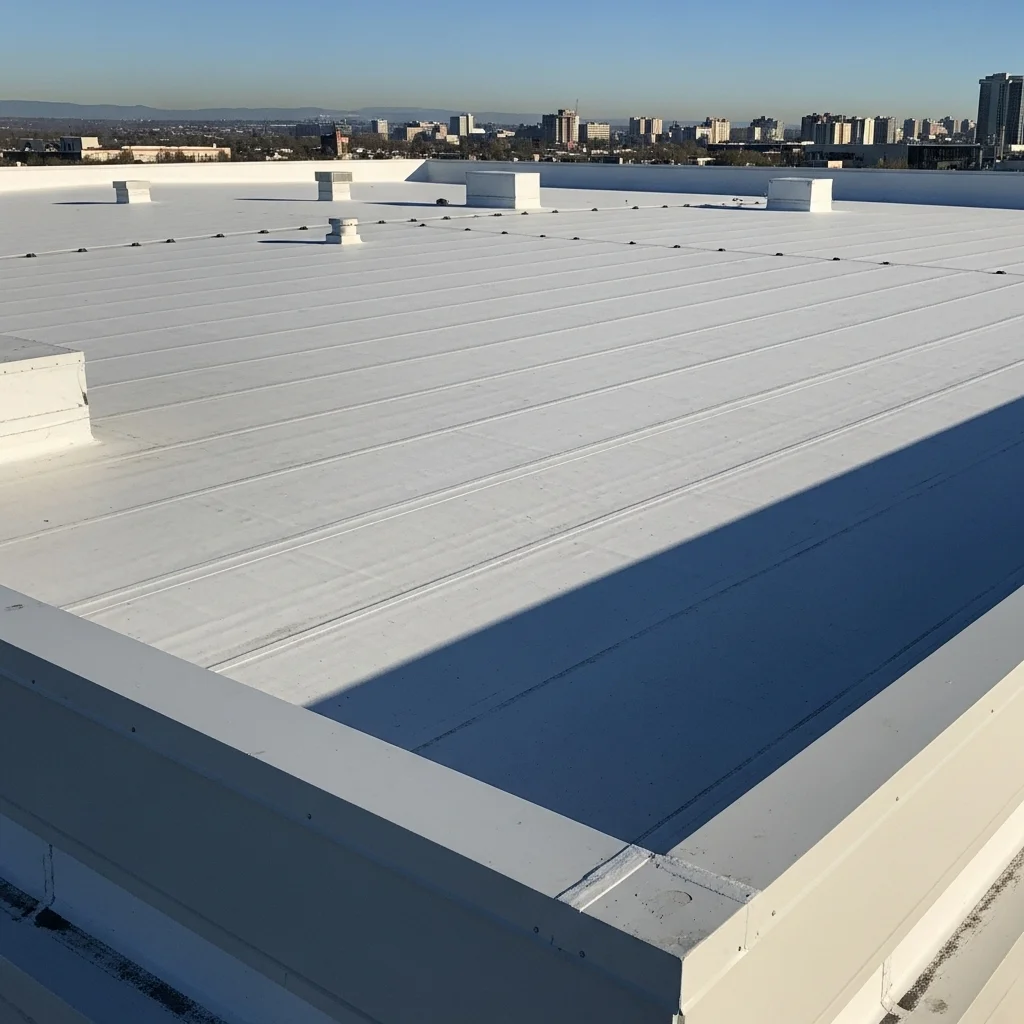
Why You Might Choose TPO for Your Flat or Low-Slope Roof
TPO roofing is a strong choice for flat and low-slope roofs, especially those with a roof pitch under 2:12. Since water moves more slowly on these types of roofs, the roofing material must be able to handle moisture without letting it seep through. Unlike traditional shingles, which are not designed for low-slope applications, TPO creates a watertight, durable seal that follows building codes and manufacturer requirements. This secure system helps protect the roof from leaks, pooling water, and long-term moisture damage, even during heavy storms. One of the added benefits of TPO roofing is the option to place insulation beneath the membrane, which improves indoor temperature control. This helps keep spaces warmer during colder months and cooler during hot weather, leading to better comfort and lower energy costs. Suitable for both homes and commercial buildings, TPO roofing delivers reliable performance, lasting protection, and solid value for property owners.
Table of Contents
- What is EPDM Roofing? – Definition and Key Features
- Advantages of EPDM Roofing Membranes
- Disadvantages and Limitations of EPDM Roofing
- EPDM Roofing vs Other Flat Roof Materials
- Cost of EPDM Roofing and Installation Factors
- EPDM Roof Lifespan and Maintenance Guidelines
- Step-by-Step Installation Process for EPDM Roofs
- Common EPDM Roofing Problems and Repair Solutions
Comparing TPO Roofing to Other Materials
TPO roofing is commonly compared with other flat-roof options like EPDM and PVC. One key benefit of TPO is its lightweight and flexible design, which allows for quicker and easier installation. Its bright, reflective surface helps limit heat absorption, keeping the roof cooler and helping reduce energy costs. PVC roofing is known for its strength and long lifespan, but it is usually heavier and comes at a higher price point. EPDM rubber roofing performs well in extreme weather, yet it does not offer the same level of heat reflection as TPO. While each material has its own advantages, TPO stands out for providing a balanced mix of durability, energy efficiency, and a fresh, modern look that appeals to many homeowners. When choosing a roofing material, it is important to consider factors such as upfront cost, long-term performance, and maintenance requirements. TPO is often seen as a practical and modern solution because it helps improve energy efficiency while delivering a smooth, visually appealing roof finish. Learn more at Roof Installation Brooklyn.
Understanding the Anatomy of TPO Roofing Systems
A full TPO roofing system includes more than just the TPO membrane. It also involves insulation installed underneath and several key components that work together to keep the roof sealed and watertight. Some systems use basic fabric-backed insulation, while higher-quality systems include solid structural insulation that improves indoor temperature control and helps the roof last longer. Before installation starts, a professional roofer carefully checks the roof deck for signs of rot, damage, soft spots, or debris, since these problems can affect how well the TPO membrane bonds to the surface. Other important system parts include fasteners, flashing, and specialized sealants that protect roof edges and areas where vents, pipes, or other roof features pass through. Proper sheet overlap, heat-welded seams, and reinforced edges all play a major role in stopping water from entering the structure. When each part is installed the right way, a TPO roofing system delivers strong, long-term protection and dependable performance in many different weather conditions. Learn more at New Roof Installation Brooklyn.
Step-by-Step Guide to TPO Roof Installation
Installing a TPO roof begins with a careful inspection of the existing roof to spot any damage, weak areas, or rot. Any necessary repairs are completed first, and the surface is cleaned to ensure the TPO membrane will lay flat and adhere properly. After preparing the deck, insulation is added beneath the membrane to improve indoor temperature control and boost energy efficiency. Next, the TPO membrane is unrolled, aligned precisely, and positioned with the correct overlap at each seam. Depending on the system, the membrane is fastened with mechanical fasteners or adhesive. Hot-air welding is then applied to all seams, forming a durable, watertight bond. Flashing is installed around chimneys, skylights, vents, and other rooftop penetrations to prevent leaks. A final inspection checks that all seams, edges, and alignments are correct, and any leftover debris is cleared. Regular maintenance—like inspecting seals, cleaning the roof, and monitoring for small punctures—helps the TPO roof stay strong and perform well for many years. Learn more at Roof Repairs Brooklyn.
Costs and Budget Considerations for TPO Roofing
TPO roofing typically costs between $4 and $10 per square foot, though the final price can vary based on several factors. These include the size of the roof, the type and thickness of insulation chosen, and the quality of the installation. Using full structural insulation usually raises the cost compared to basic options, but it offers better performance and can increase the roof’s lifespan. Large-scale projects, like commercial roofs, often benefit from a lower per-square-foot price because materials are bought in bulk. When planning a budget, homeowners should think about the timing of the replacement, the specific materials they want, and the overall scope of the project. The quality of installation is critical, as it directly affects how long the roof will perform and resist damage. Choosing the right combination of materials and professional installation ensures that the TPO roof provides reliable protection and meets long-term expectations.
Maintaining and Extending the Life of a TPO Roof
Regular care is key to keeping a TPO roof in top condition and extending its lifespan. Homeowners should check the membrane, seams, and flashing at least once or twice a year to make sure everything stays secure and watertight. Clearing away leaves, dirt, and other debris is also important, as buildup can prevent water from draining properly and cause damage over time. Tackling small problems like minor punctures or loose seams promptly can stop them from turning into larger, more expensive repairs. Consistent maintenance helps the roof retain its energy-efficient qualities and clean, bright appearance. With proper attention, a TPO roof can last up to 30 years, offering a durable, long-lasting, and cost-effective solution for homeowners.
Pros, Cons, and Practical Tips for TPO Roofing
Advantages: TPO roofing is lightweight, flexible, and energy-efficient, making it highly effective on flat and low-slope roofs. It resists heat and UV damage, is environmentally friendly, and gives the roof a bright, clean, and modern look that many homeowners find appealing. Challenges: As a newer roofing material, TPO does not have as long a track record as traditional roofing options, and its quality can vary between manufacturers. This makes choosing the right product and installer crucial. Improper installation can lead to leaks or other issues, so relying on skilled, experienced professionals is essential. Tips: Hire a contractor with proven TPO installation experience to ensure the roof is installed correctly. Select suitable insulation to improve energy efficiency and indoor comfort, and consider the TPO membrane thickness while reviewing the warranty. Avoid DIY installation unless you have prior roofing expertise, as welding TPO seams requires specialized training. Regular inspections, at least once a year, help maintain the roof’s performance and extend its lifespan.