
What is EPDM Roofing? A Complete Guide
EPDM roofing, short for Ethylene Propylene Diene Monomer, is a synthetic rubber roofing material widely used for flat roofs and low-sloped buildings in both commercial and residential settings. Made from oil-derived ethylene and natural gas-derived propylene, EPDM is available in black, gray, and white colors, and comes in widths ranging from 7.5 feet to 50 feet and thicknesses of 45 mils, 60 mils, and 90 mils. It is a single-ply rubber roofing membrane known for its durability, flexibility, and long-term performance, and can be installed using fully adhered, mechanically attached, or ballasted methods with seams sealed using liquid adhesives or tape. This roofing system provides a cost-effective, low-maintenance, and sustainable solution for buildings that require reliable waterproofing and extreme weather resistance.
Advantages of EPDM Roofing
EPDM roofing membranes offer numerous advantages that make them a preferred choice for industrial, commercial, and residential flat roofs. First, they are durable and tear-resistant, providing long-term roofing solutions that can last 20–50 years depending on maintenance. They are flexible and lightweight, which allows the membrane to expand and contract with temperature changes without cracking. EPDM roofs also provide excellent insulation properties, helping to improve energy efficiency, while being fire-resistant and eco-friendly, since the material can be recycled at the end of its life. Additionally, EPDM is low-maintenance, resistant to UV rays and extreme weather, and can be installed in new construction or replacement roofing projects, making it an effective solution for long-term roof system performance.
Table of Contents
- What is EPDM Roofing? – Definition and Key Features
- Advantages of EPDM Roofing Membranes
- Disadvantages and Limitations of EPDM Roofing
- EPDM Roofing vs Other Flat Roof Materials
- Cost of EPDM Roofing and Installation Factors
- EPDM Roof Lifespan and Maintenance Guidelines
- Step-by-Step Installation Process for EPDM Roofs
- Common EPDM Roofing Problems and Repair Solutions
Disadvantages and Limitations of EPDM Roofing
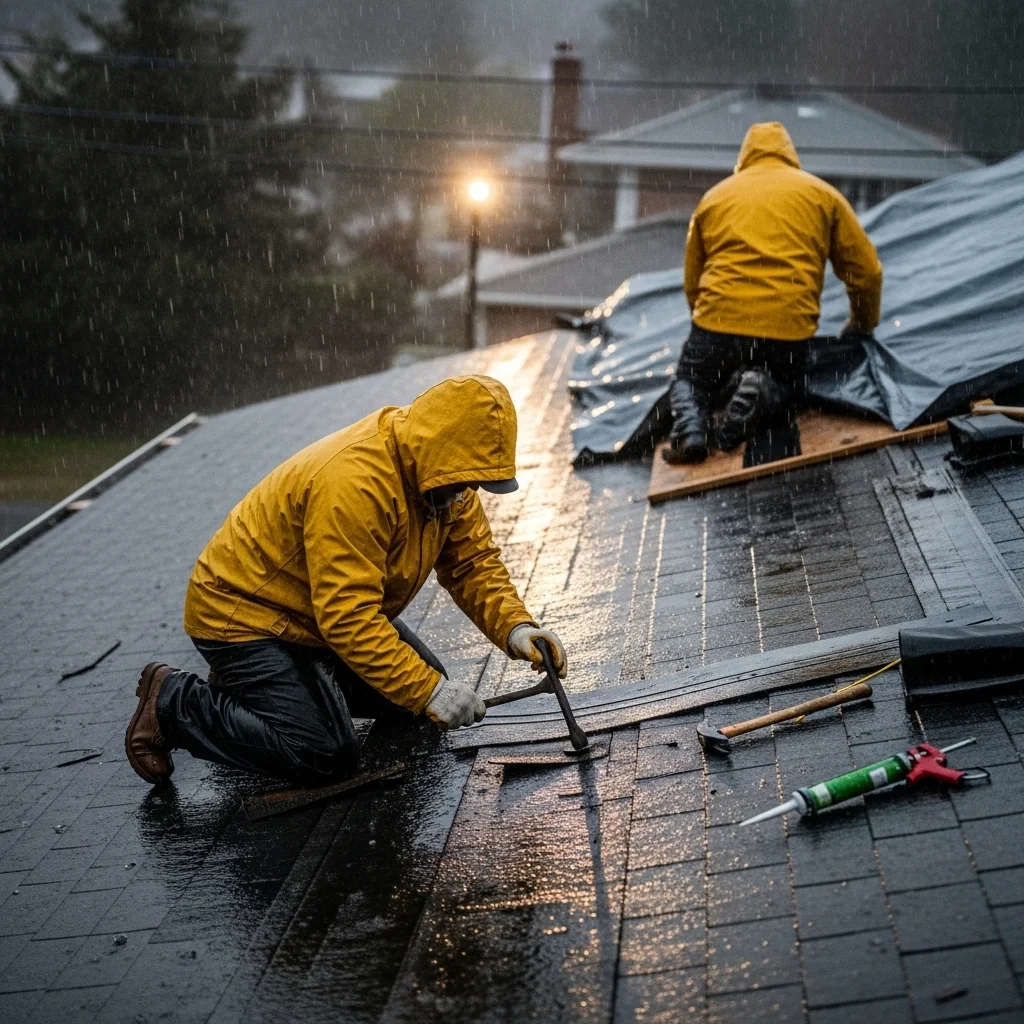
While EPDM roofing is highly durable, it also has some drawbacks. It can be punctured by sharp objects, such as hail or falling debris, which may lead to leaks. Black EPDM roofs can absorb heat, increasing cooling costs in hot climates, though white EPDM can help reflect sunlight. EPDM can also be slippery when wet, making maintenance and inspections risky, and seams between sheets may leak if not properly installed or resealed. Furthermore, EPDM is not ideal for high-pitched roofs, as the weight and flexibility of the membrane make installation challenging and water runoff slower, increasing the risk of water pooling.
EPDM Roofing vs Other Flat Roof Materials
Compared to felt roofing, EPDM is more durable, easier to install, and requires less maintenance. Felt may require professional installation, and repairs can appear patchy. GRP roofing offers a more attractive finish but is more expensive and also requires professional installation. EPDM stands out because it combines cost-effectiveness, long lifespan, and low-maintenance benefits, making it a top choice for low-slope commercial roofing. While shingles, tiles, or metal may be preferred for steep roofs, EPDM is specifically designed for flat and low-sloped roofs, providing superior waterproofing, insulation, and long-term durability.
Cost of EPDM Roofing and Installation Factors
The cost of EPDM roofing varies depending on factors like roof size, complexity, and membrane thickness. On average, it ranges from $4 to $10 per square foot installed, including materials and labor. Additional costs may include removal of old roofing, installation of roof insulation or flashing, and permits. Choosing a fully adhered, mechanically attached, or ballasted installation also affects pricing. While DIY installation can save money, professional installation ensures proper seam bonding, membrane adhesion, and long-term durability, protecting the roof investment over decades. Learn more at Roof Flashing Repair Brooklyn.
EPDM Roof Lifespan and Maintenance Guidelines
A well-installed EPDM roof can last 20–50 years depending on membrane thickness and environmental factors. Thicker membranes provide longer-lasting protection, while thinner membranes are less expensive upfront. Regular maintenance includes roof cleaning, debris removal, seam resealing, and visual inspections, ideally in spring and autumn, or after severe weather. Reflective coatings can enhance lifespan by protecting against UV damage, while routine maintenance ensures maximum roof longevity and durability, keeping the building safe and dry. Learn more at Roof Repair Services Brooklyn.
Step-by-Step Installation Process for EPDM Roofs
Prepare the roof surface by making sure the roof deck is clean, dry, and free from debris. Plywood or OSB boards should be used as a solid base, and any existing bitumen residues must be completely removed. Inspect the current roof condition to determine whether over boarding is sufficient or if a full roof replacement is required. Before installation, clean the EPDM membrane and allow it to relax for 20–30 minutes so it can settle properly. Carefully cut and trim the membrane to size using sharp scissors or a Stanley knife to ensure an accurate fit and reduce material waste. Apply the appropriate water-based adhesive and contact adhesive as needed, then firmly seal all edges using a silicone roller. Install edge trims and drip trims made from metal or plastic to direct water away from the roof and protect the fascia. Fit flashing, wall trims, or gutter drip trims where the roof meets walls to maintain effective waterproofing. Finally, carry out a detailed inspection to check membrane adhesion, seam sealing, and trim alignment for long-lasting roof performance.
Common EPDM Roofing Problems and Repair Solutions
Common EPDM issues include shrinkage, bubbles, blisters, punctures, and seam leaks. Shrinkage often occurs when the membrane is not properly relaxed before installation. Bubbles and blisters may form due to trapped moisture or adhesive vapor. Small punctures or holes can be repaired with patching kits, ensuring 50mm overlap and proper seam bonding. Regular inspections, cleaning, and seam resealing prevent most issues, ensuring that EPDM roofs remain durable, waterproof, and long-lasting. Learn more at Roof Repair Expert Brooklyn.