
How to Do Roofing Shingles?
Learning how to do roofing shingles means knowing that shingles are part of a full roof system that protects your home from rain, wind, and weather. First, check that the roof is strong, flat, and dry, and make sure it is suitable for shingles. Next, install a roofing underlayment as a water-resistant layer, then add starter shingles along the edges for protection and proper alignment. Work from the bottom of the roof up, overlapping each row of shingles to shed water and improve durability. Nail the shingles in the correct spots, follow staggered and aligned patterns, and add flashing around valleys, vents, chimneys, and walls to prevent leaks. Finally, install ridge shingles at the top for added protection and roof ventilation. Proper installation, careful alignment, and good materials create a long-lasting, durable, and water-resistant roof. Learn more at Roof Repair Brooklyn.
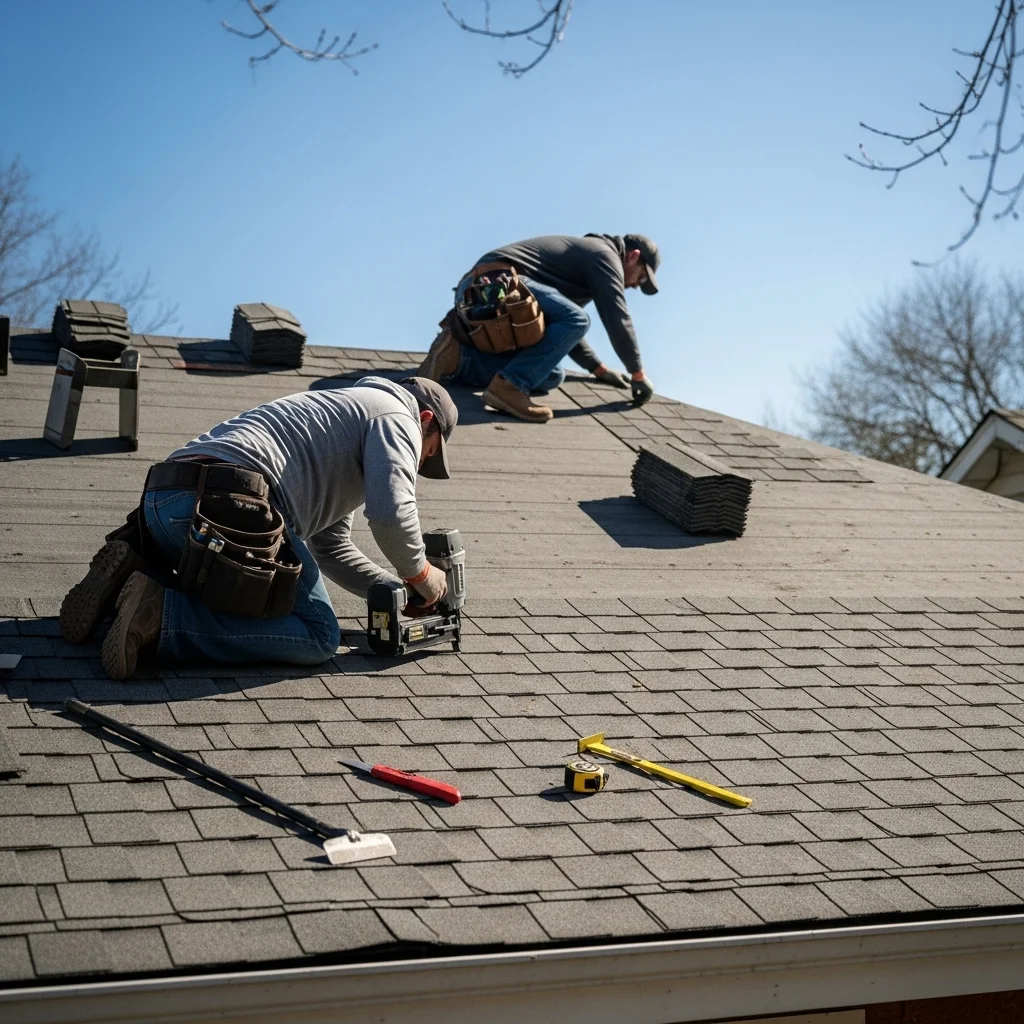
Understanding roofing shingles and roof system basics
Roof shingles are one of the most common roof covering materials used on pitched roofs because they offer a good mix of cost, strength, and protection. However, roof shingles do not work by themselves. They are part of a full roofing system that includes the roof deck, roofing underlayment, flashing, ridge tiles, and other protective roof layers. All of these parts work together to move water away from the roof, block strong winds, and protect the building below. New roofing technology advancements have improved shingle durability, color consistency, and weather resistance, making modern roof shingles more dependable than older versions. Knowing how shingles connect with the full roof system helps prevent mistakes that can lower roof lifespan and raise roof leak risk. Learn more at Roof Repairs Brooklyn.
Table of Contents
- How to Do Roofing Shingles?
- Understanding roofing shingles and roof system basics
- Checking roof suitability and preparation before installation
- Roof safety, structure, and weather protection fundamentals
- Roof underlayment, flashing, and protective layers explained
- Step-by-step guide on how to do roofing shingles correctly
- Shingle layout methods, alignment, and fastening techniques
- Common mistakes, durability factors, and long-term performance
Checking roof suitability and preparation before installation
Before learning how to do roofing shingles, it is important to make sure the roof is right for shingle installation. A roof suitability assessment checks the roof slope, roof structure compatibility, and the condition of the roof deck. Pitched roofs work best because gravity water shedding helps rain and melting snow flow off the roof safely. Roof preparation includes checking the structural roof support, fixing weak areas, and making sure the deck surface is flat, dry, and firmly attached to the roof trusses. Poor roof deck preparation can cause shingle adhesion failure, uneven shingle alignment, and lower roof material performance over time. Learn more at Emergency Roof Repair Brooklyn.
Roof safety, structure, and weather protection fundamentals
Roofing safety practices are very important during roof shingle installation, especially when working on sloped roofs. Working high above the ground creates fall hazards, which is why roof construction safety and fall hazard prevention should always come first. Along with safety, it is important to understand how roof structure and weather protection work together. Attic insulation, roof ventilation, and vapor barriers affect how the roof handles heat, moisture, and cold climate roofing conditions. Learning how freeze and thaw cycles, strong winds, and water exposure affect a roof helps installers make better choices that improve roof durability and long-term roof performance. Learn more at Roof Leak Repair Brooklyn.
Roof underlayment, flashing, and protective layers explained
Roof underlayment works as a backup layer of protection under the shingles and plays a major role in stopping leaks. Whether using asphalt-saturated felt underlayment or synthetic roof underlayment, correct installation improves water resistance and protection from wind-driven rain. Flashing is just as important because most roof leaks start at joints, valleys, and roof penetrations. Valley flashing, step flashing, and roof penetration protection around chimneys, vents, skylights, and dormers help guide water safely off the roof. These protective roof layers work together to control roof drainage paths and stop water from reaching the roof deck. Learn more at Roof Chimney Repair Brooklyn.
Step-by-step guide on how to do roofing shingles correctly
A strong shingle installation process follows a clear step-by-step roofing installation order that starts at the bottom of the roof and moves upward. This method supports the roof overlap principle and helps each shingle layer shed water correctly. From placing starter shingles at the eaves to laying field shingles and finishing at the ridge, every step affects how the roof performs. Skipping steps or changing the order can create water entry points and weaken roof sealing. Following proper roof installation steps improves roof installation consistency, saves time, and increases long-term roof durability. Learn more at Patch Roof Leak Brooklyn
Shingle layout methods, alignment, and fastening techniques
Shingle layout patterns affect both how the roof looks and how well it works. Common shingle installation methods include the racking method, pyramid installation method, and diagonal shingle installation, and each method has benefits based on shingle type and installer preference. Correct shingle alignment helps prevent shingle color variation issues like vertical color striping or uneven diagonal color blending. Proper nail placement in shingles is also very important because fastening patterns control wind resistance performance and shingle blow-off risk. Using methods like six-nail shingle installation can greatly improve roof durability in areas with strong winds. Learn more at Fast Roof Repair Brooklyn.
Common mistakes, durability factors, and long-term performance
Many roofing problems happen because of installation mistakes instead of bad materials. Common issues include poor nail placement, uneven shingle exposure, incorrect underlayment overlap, and missing or weak flashing. Material quality also matters, since shingle manufacturing changes can affect shingle aging performance and tar seal strip strength. Long-term roof performance depends on proper installation, regular inspections, and basic maintenance. When roofing best practices are followed, roof shingles can form long-lasting roofing systems that protect buildings and perform well throughout their full roof lifespan. Learn more at Roof Water Damage Repair Brooklyn.