
How Many Shingles in a Bundle of Roofing Shingles: Complete Guide for Homeowners
When planning a roofing project, knowing how many shingles are in a bundle of roofing shingles is very important. Shingle bundles are a standard way to package shingles for easy handling, transport, and installation. Understanding shingle count by type, roof area coverage, and bundles per roofing square helps homeowners and contractors plan materials, manage costs, and avoid mistakes. This guide will cover shingle types, bundle calculations, roof measurements, and tips for safe installation. By following these steps, your roofing project can be more cost-effective and efficient, ensuring your roof looks great and lasts longer.
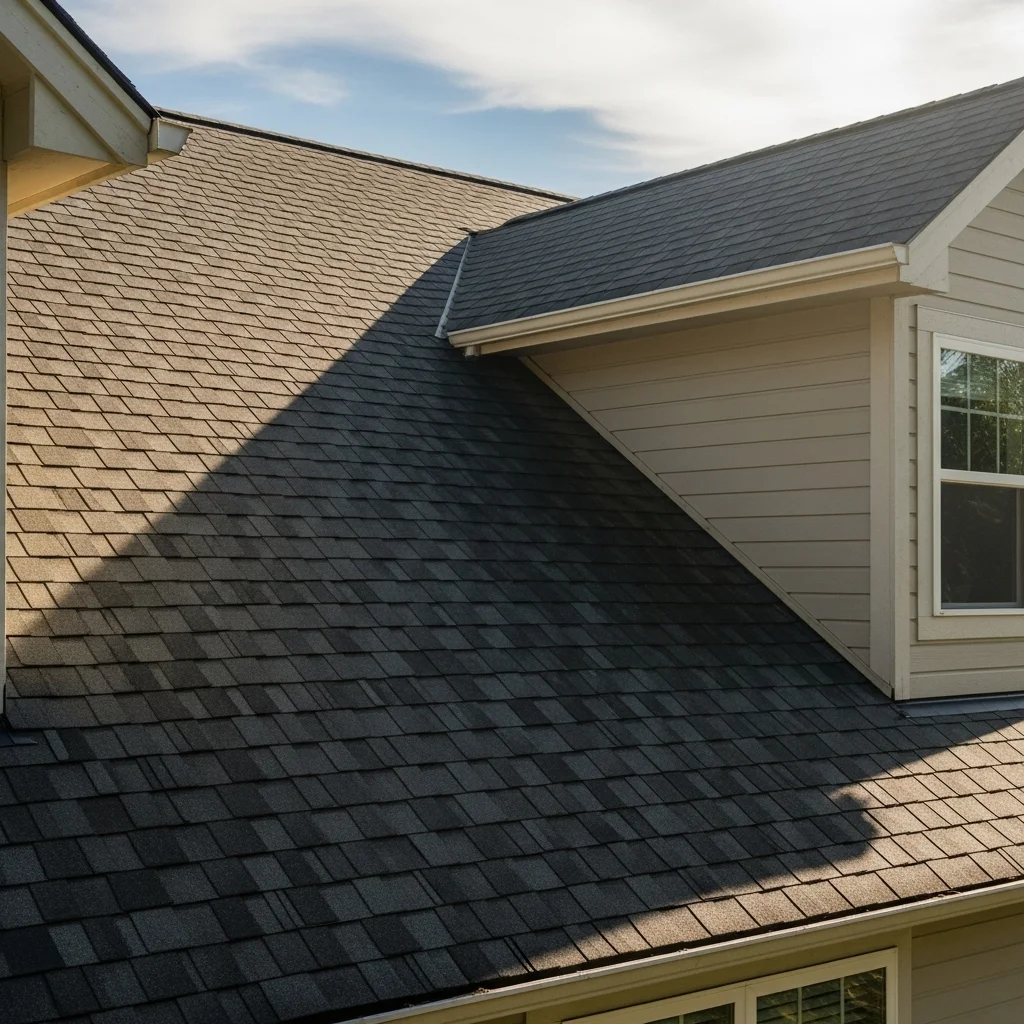
How Many Shingles Are in a Bundle by Type
The number of shingles per bundle changes depending on the shingle type and manufacturer data sheets. Standard asphalt shingles usually come with 21 to 29 shingles per bundle. 3-tab shingles often have 26 to 29 shingles per bundle, which are thin, lighter, and cost-effective. Architectural shingles are thicker and heavier, usually 15 to 22 shingles per bundle, and they provide more durability and a more attractive appearance. Luxury shingles are even larger and may have 10 to 16 shingles per bundle because of their multiple layers. Knowing the shingle count by type is essential for bundle calculation, roof area coverage, and planning for any roof renovation.
Table of Contents
- How Many Shingles in a Bundle of Roofing Shingles: Complete Guide for Homeowners
- How Many Shingles Are in a Bundle by Type
- Roof Area Coverage and Roofing Square Calculations
- Step-by-Step Guide to Calculating Total Bundles Needed
- Factors Affecting Bundle Count: Shingle Type, Size, and Weight
- Choosing the Right Asphalt Shingle: Cost, Lifespan, and Warranty
- Proper Handling, Stacking, and Installation Practices
- Frequently Asked Questions About Shingle Bundles
Roof Area Coverage and Roofing Square Calculations
To estimate the total number of shingle bundles, you first need to calculate your roof area. Measure the roof length and width to get the total square footage. One roofing square equals 100 square feet, and usually three bundles of standard asphalt shingles cover one square. Remember to account for waste factor, which covers extra shingles needed for ridge shingles, hip shingles, or cut sections near dormers and valleys. For example, a 2,000 sq ft roof would typically need 60 bundles of standard shingles, but if using architectural shingles, you may need slightly more because coverage variation for luxury shingles applies. Always check the manufacturer data sheets to verify coverage and dimensions.
Step-by-Step Guide to Calculating Total Bundles Needed
Accurate roofing project planning is important because it helps you save both money and time, and turning these steps into one clear paragraph makes it easier to understand. First, you measure the length and width of your roof to find the total roof area. Then, you divide that total area by 100 to figure out how many roofing squares you need. After that, you multiply the number of squares by the number of bundles required per square, which is usually three bundles for each roofing square. It’s also smart to add about 5–10% extra for waste so you have enough material for cuts, overlaps, and roof features. Make sure to double-check special roof sections like dormers, valleys, or steep areas because these spots often need more shingles. Using this method helps you avoid running out of materials and gives you accurate numbers for material costs, bundles per square, and roof replacement planning.
Factors Affecting Bundle Count: Shingle Type, Size, and Weight
- Shingle size and dimensions: Larger shingles cover more area but fewer are included in each bundle.
- Shingle thickness and weight: Thicker or heavier shingles, such as architectural or luxury types, reduce the number of shingles per bundle.
- Roof design and pitch: Steeper roofs or roofs with multiple sections often require extra shingles.
- Local building codes: Requirements like fire resistance or specific material standards can affect bundle size.
- Environmental factors: Areas with strong wind, heavy snow, or frequent rain may require impact-resistant shingles, which can change the number of shingles per bundle.
- Understanding these factors: Helps improve project efficiency, estimate total bundles accurately, and support long-term roof durability.
Choosing the Right Asphalt Shingle: Cost, Lifespan, and Warranty
When selecting asphalt shingles, consider material costs, shingle coverage per bundle, lifespan, and warranty options. 3-tab shingles are affordable but have a shorter lifespan. Architectural shingles provide higher durability, improved aesthetics, and better warranty options, making them more cost-effective over time. Check the manufacturer data sheets and technical information for accurate coverage variation for luxury shingles. Also consider your roofing budget, roof area coverage, and roof square footage to make the best decision for your home.
Proper Handling, Stacking, and Installation Practices
Handling shingles properly is important for safety and long-term roof performance. Keep bundle weight in mind when stacking on a roof to avoid overloading roof load capacity. Distribute bundles evenly, avoid stacking near edges or valleys, and keep them shaded to prevent heat damage. On steep roofs, secure bundles with boards to prevent sliding. Handle architectural shingles carefully because of their shingle thickness and weight to maintain dimensional appearance and avoid breakage. Proper installation improves roofing project efficiency, roof maintenance, and the lifespan of your shingles.
Frequently Asked Questions About Shingle Bundles
- How many 3-tab shingles are in a bundle? Typically 26 to 29.
- What is the coverage area of one shingle bundle? About 33 square feet.
- How many bundles are needed for a 2,000 sq ft roof? Around 60 bundles of standard asphalt shingles.
- How do architectural shingles affect bundle count? They have fewer shingles per bundle but still cover one roofing square.
- Can I install shingles myself? Yes, but professional installation protects proper planning and helps maintain warranty options.
- How do waste factors affect bundle calculation? Always add 5–10% extra for cuts, overlaps, and roof features.
- What about specialty shingles? Luxury, impact-resistant, or algae-resistant shingles may differ in bundle count, so check manufacturer data.
- How does roof pitch influence shingle needs? Steeper roofs may need extra bundles due to slope and additional cutting waste.