
What Is TPO Roofing?
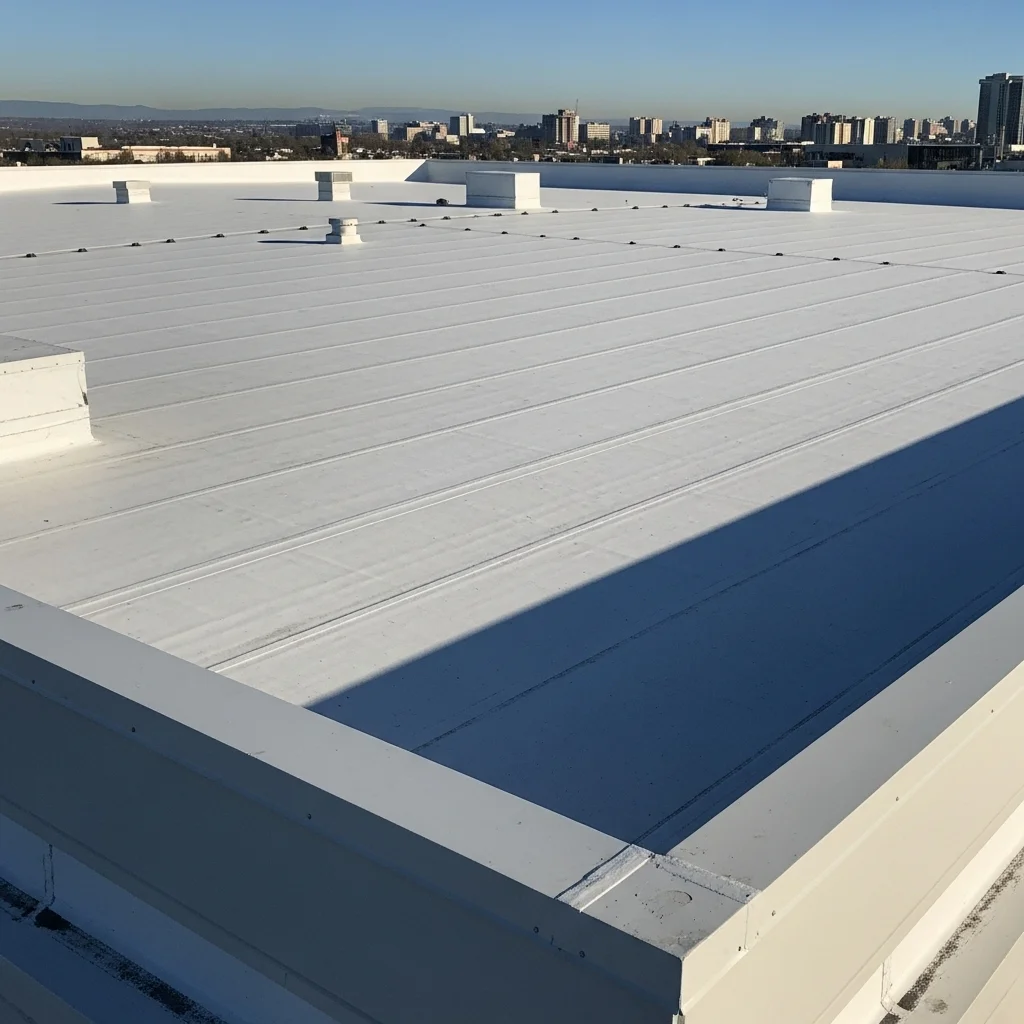
TPO roofing, or thermoplastic polyolefin, is a single sheet of roofing material made for flat roofs and low-slope roofs. Its bright white surface reflects sunlight, which helps keep the roof cool and lowers air-conditioning costs in warm weather. TPO is a popular choice for places like roof dormers, garages, covered patios, and other small or non-living spaces because it is strong, flexible, and easy to install. The material is light in weight, which helps roofers work faster and makes the roof system easier to handle during installation. This type of roofing is known for its long life, strength, and ability to resist sunlight and heat. Many homeowners like TPO because it is good for the environment and can also make the roof look cleaner and brighter. Even though TPO does not need a lot of care, the roof may still need cleaning if it can be seen from windows or if dirt collects over time.
Why You Might Choose TPO for Your Flat or Low-Slope Roof
TPO roofing works very well on roofs with a low slope, which is usually below a 2:12 pitch. On these roofs, water drains slowly, so it is important to use a material that protects the surface from standing water. Regular shingles do not work well on low-slope roofs, but TPO creates a tight and safe seal that meets building codes and manufacturer rules. This helps prevent leaks and water damage, even during heavy rain. Another benefit is that insulation can be added under the TPO membrane to help keep the building warm in winter and cool in summer. This makes the home more comfortable and saves energy. Whether used for a home or a business, TPO offers strong performance, long-term protection, and good value for the owner.
Table of Contents
- What Is TPO Roofing?
- Why You Might Choose TPO for Your Flat or Low-Slope Roof
- Comparing TPO Roofing to Other Materials
- Understanding the Anatomy of TPO Roofing Systems
- Step-by-Step Guide to TPO Roof Installation
- Costs and Budget Considerations for TPO Roofing
- Maintaining and Extending the Life of a TPO Roof
- Pros, Cons, and Practical Tips for TPO Roofing
Comparing TPO Roofing to Other Materials
TPO is often compared to other flat roofing materials like EPDM and PVC. TPO is lighter and more flexible, which makes it easier to install. Its reflective surface helps lower energy bills by keeping the roof cool. PVC is very strong but heavier and more expensive, while EPDM rubber handles bad weather well but does not reflect heat as well as TPO. Each roofing type has its benefits, but TPO gives a balanced mix of durability, energy savings, and a clean look that many homeowners prefer. Choosing the right roofing material often depends on cost, how long the roof will last, and how much care it needs. TPO is seen as a modern and smart option because it helps reduce energy use and gives a neat and smooth appearance that many people find attractive.
Understanding the Anatomy of TPO Roofing Systems
A full TPO roofing system includes the TPO membrane, insulation under the membrane, and important accessories that help keep the roof watertight. Simple systems use fabric insulation, but stronger systems use full structure insulation to give better temperature control and longer roof life. Before installation, the roofer must check the roof surface for rot, weak spots, damage, or dirt, because these problems can affect how well the TPO sticks to the surface. Other important parts of the system include fasteners, flashing, and sealants that help protect roof edges and areas where vents or pipes come through. Proper overlap of the TPO sheets and strong seams along the roof edges help stop water from entering the home. All of these steps help the roof last longer and stay strong during different weather conditions.
Step-by-Step Guide to TPO Roof Installation
Before a TPO roof is installed, the roof must be inspected to look for damage, weak decking, or rot. Once repairs are done, the surface is cleaned so the membrane can lie flat. After cleaning, roof insulation is placed to help with temperature control and energy savings. The TPO membrane is then rolled out and aligned carefully, making sure there is the correct amount of overlap at every seam. Next, the membrane is attached using fasteners or glue, depending on the system. Hot air is used to weld the seams together so the roof becomes fully watertight. Flashing is added around chimneys, skylights, vents, and other roof openings to stop leaks. A final inspection is done to check alignment, seams, and edges, and all debris is removed. Regular maintenance, like checking seals and looking for small punctures, helps the roof last as long as possible.
Costs and Budget Considerations for TPO Roofing
The cost of TPO roofing is usually between $4 and $10 per square foot. The final price depends on how big the project is, how much insulation is needed, and the quality of the installation work. Full structure insulation costs more than basic insulation, but it gives better performance and can help the roof last longer. Larger roofs, like those on commercial buildings, can lower the cost per square foot because materials can be bought in bulk. When planning a budget, homeowners should think about the timing of the replacement, the type of materials they want, and the full project plan. A good installation helps the roof perform better for many years, so it is important to choose materials that match the owner’s goals and expectations..
Maintaining and Extending the Life of a TPO Roof
Regular roof care helps TPO roofs stay strong and last longer. Homeowners should check the membrane, seams, and flashing at least once or twice a year. It is also important to clean off leaves, dirt, or anything else that could block water from draining. Fixing small punctures or loose seams early can prevent bigger and more expensive problems later. Good maintenance keeps the roof energy-efficient and looking nice. With the right care, a TPO roof can last up to 30 years, giving the owner a long-lasting and cost-efficient roofing system.
Pros, Cons, and Practical Tips for TPO Roofing
Advantages: TPO is light, flexible, energy-saving, and strong against heat and sunlight. It works very well on flat and low-slope roofs, is good for the environment, and gives the roof a bright and clean look.
Challenges: TPO is newer compared to older materials, so there is less long-term history. The quality can also vary between brands. A skilled installer is very important to avoid leaks or problems.
Tips: Choose a roofing contractor who has real experience with TPO installation. Pick the right insulation to improve comfort and energy savings. Check the thickness of the membrane and understand the warranty. Avoid DIY unless you already have roofing skills because welding seams requires training. Plan for yearly inspections to keep the roof in great shape.