
Can Steel Roofing Be Installed Over Shingles?
Steel roofing can be installed directly over existing asphalt shingles, a method commonly called a roof-over installation. This approach has become popular among homeowners seeking durability, energy efficiency, and improved aesthetics without the expense and time of a full roof replacement. Metal panels, including standing seam or stone-coated options, create a long-lasting, weather-resistant system that reflects heat, resists hail, wind, and snow, and reduces long-term maintenance needs. Assessing the condition of existing shingles, roof slope, and weight load capacity is critical to maintain structural integrity and comply with local building codes.
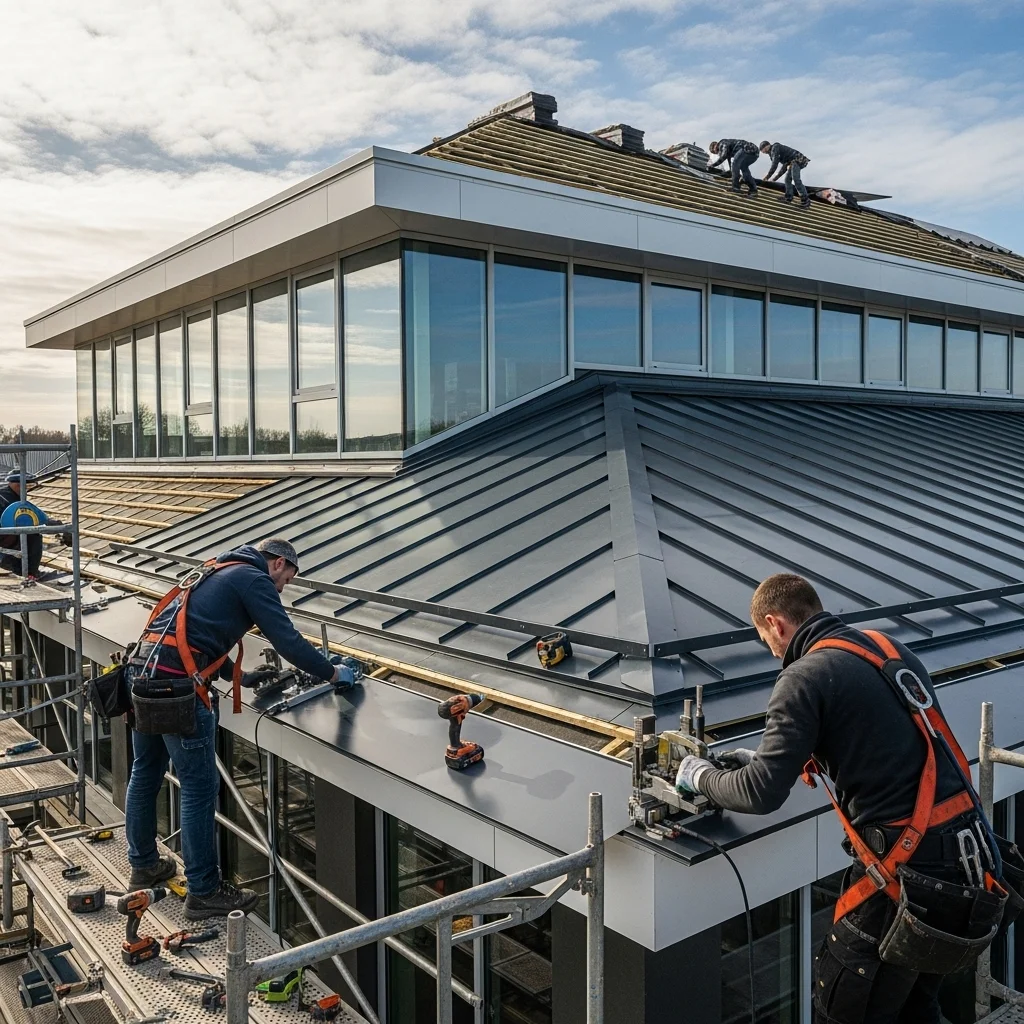
Benefits of Installing Steel Roofing Over Asphalt Shingles
A roof-over installation offers several advantages. Metal roofing increases roof longevity, enhances curb appeal, and provides excellent weather resistance, including impact and UV protection. Steel panels reflect heat, improving energy efficiency and working well with insulation or radiant barriers such as foam board or foil-faced insulation. Homeowners can choose from simulated shingles, tiles, and various colors, achieving a modern, stylish look. The roof-over approach also minimizes disposal costs, reduces environmental impact by reusing existing shingles, and requires less labor than a full roof replacement.
Table of Contents
- Can Steel Roofing Be Installed Over Shingles?
- Benefits of Installing Steel Roofing Over Asphalt Shingles
- Understanding Roof-Over Systems and When They Work
- Structural and Installation Considerations for Steel Over Shingles
- Cost, Time, and Environmental Advantages of Roof-Over Projects
- Choosing the Right Panels, Fasteners, and Underlayment
- Common Questions About Steel Roof-Overs Answered
- Maintenance Tips for a Long-Lasting Steel Roof
Understanding Roof-Over Systems and When They Work
A roof-over system involves placing metal panels directly over existing shingles, often using clips, furring strips, or lathing strips to create an air gap. This gap improves ventilation and reduces moisture buildup, especially when combined with above-sheathing ventilation methods. Roof-overs work best when shingles are in good condition and free from warping, splitting, or multiple layers that could compromise structural integrity. Roof geometry, slope, and complexity also affect feasibility, and homeowners must check local building codes and roof span limitations before proceeding.
Structural and Installation Considerations for Steel Over Shingles
Before installing metal panels, inspect the roof deck and ensure it can support the added weight. Panels may be attached using furring strips, wood purlins, sub-girts, or direct-to-deck methods, with fasteners placed to resist wind uplift, snow, and other environmental factors. Underlayment, such as synthetic underlayment or #30 felt, provides extra moisture protection. Repair loose shingles, structural weaknesses, or uneven surfaces prior to installation to avoid complications and ensure a secure, durable roof.
Cost, Time, and Environmental Advantages of Roof-Over Projects
Roof-over installations reduce labor and disposal costs while minimizing disruption compared to a full replacement. Metal roofing is recyclable and eco-friendly, and its reduced maintenance lowers long-term expenses. Time savings are significant since removing old shingles isn’t necessary, allowing the project to finish faster. Roof-over installations can also improve energy efficiency with insulation, radiant barriers, or reflective finishes, lowering heating and cooling costs while boosting curb appeal and property value.
Choosing the Right Panels, Fasteners, and Underlayment
Selecting the appropriate panels, such as standing seam or stone-coated metal roofs, is essential for success. Panels may be attached using furring strips, lathing strips, or clip systems to create proper air gaps and control moisture. Fasteners must consider wind resistance, roof span, and panel type. Underlayment materials like synthetic underlayment, #30 felt, or foam board enhance moisture protection and thermal efficiency. Other factors, including roof slope, decking condition, and use of copper elements, contribute to a safe and long-lasting installation.
Common Questions About Steel Roof-Overs Answered
Homeowners often ask whether roof-overs can handle multiple shingle layers, snow loads, or complex geometry. The answer depends on structural integrity and weight capacity. Roof-overs are ideal when shingles are in good condition, slope allows drainage, and ventilation prevents moisture buildup. Warped shingles, insufficient support, or span limitations may require repair or reinforcement. Correctly installed, metal roofing over shingles provides superior weather resistance, wind and hail protection, and extended roof lifespan.
Maintenance Tips for a Long-Lasting Steel Roof
Maintaining a steel roof over shingles is simple but essential. Regular cleaning, inspections for loose screws, dents, scratches, or displaced panels, and trimming overhanging branches help prevent damage. Remove snow and ice as needed, check roof ventilation, and schedule professional inspections to ensure optimal performance. Maintaining insulation and underlayment prevents heat loss and moisture buildup. Combined with the durability of metal panels, these routines ensure a cost-effective, environmentally friendly, and visually appealing roof for decades.